Activities
"Activities: Live every moment, create memories."
Activities encompass a broad spectrum of actions and pursuits that people undertake to have fun, relax, learn, or socialize. They can be physical, such as sports and dancing; intellectual, like reading and board games; or creative, including painting and music. Activities play a vital role in personal and social development, offering opportunities for self-expression, skill-building, and connecting with others. Whether enjoyed solo or in a group, activities enrich our daily lives and contribute to overall well-being.
Mountain Hiking: Discovering Hidden Trails
Mountain hiking is attracting more and more enthusiasts eager to escape the daily grind and reconnect with nature. Off the beaten path, a multitude of hidden trails are just waiting to be discovered. These often-overlooked paths offer a unique and authentic experience, far from the crowds and noise. Venturing down these trails reveals breathtaking landscapes, magnificent panoramas, and pristine wildlife and flora.
One of the first steps in uncovering these hidden trails is proper preparation. It is essential to research the region you want to explore, consult detailed maps, and gear up appropriately. Hiking boots, for example, must be comfortable and provide good support to prevent injuries. Moreover, it is always wise to pack a first-aid kit, plenty of water, and energy snacks to be ready for anything.
Once properly prepared, the adventure can begin. Mountain hiking engages both body and mind. It offers a physical workout while also providing a moment for meditation and reflection. As you walk, you take the time to notice the details around you: the birdsong, the rustling of leaves in the wind, the scent of wildflowers. These simple pleasures help create a rewarding and calming experience.
While exploring these hidden paths, you often have the chance for unexpected encounters. Whether it’s a passionate hiker sharing their stories or a local ready to reveal the region’s secrets, these exchanges enrich the experience and help forge connections. Furthermore, mountain hiking is an excellent opportunity to discover the local culture through the traditions and legends surrounding these places.
However, it is important to respect the environment during these excursions. Preserving nature is essential to ensure these trails remain accessible for future generations. Therefore, it is crucial to follow "Leave No Trace" principles, making sure not to leave any mark of your visit behind. This includes picking up your trash, respecting flora and fauna, and using marked paths to prevent soil erosion.
Finally, mountain hiking can be enjoyed solo or in a group. Each option offers distinct benefits. Hiking alone allows you to center yourself and enjoy a moment of soothing solitude. On the other hand, heading out with a group can strengthen friendships and provide an added sense of security. Whatever you choose, the important thing is to savor every moment and let yourself be carried away by the beauty of the landscapes.
In conclusion, mountain hiking on hidden trails is a rewarding experience that lets you recharge and discover unsuspected treasures. By taking the time to prepare properly and respecting the environment, anyone can fully enjoy this activity and take home unforgettable memories. So, why not lace up your hiking boots and set off on an adventure? The mountains are waiting for you.
Outdoor Yoga: Finding Serenity in Nature
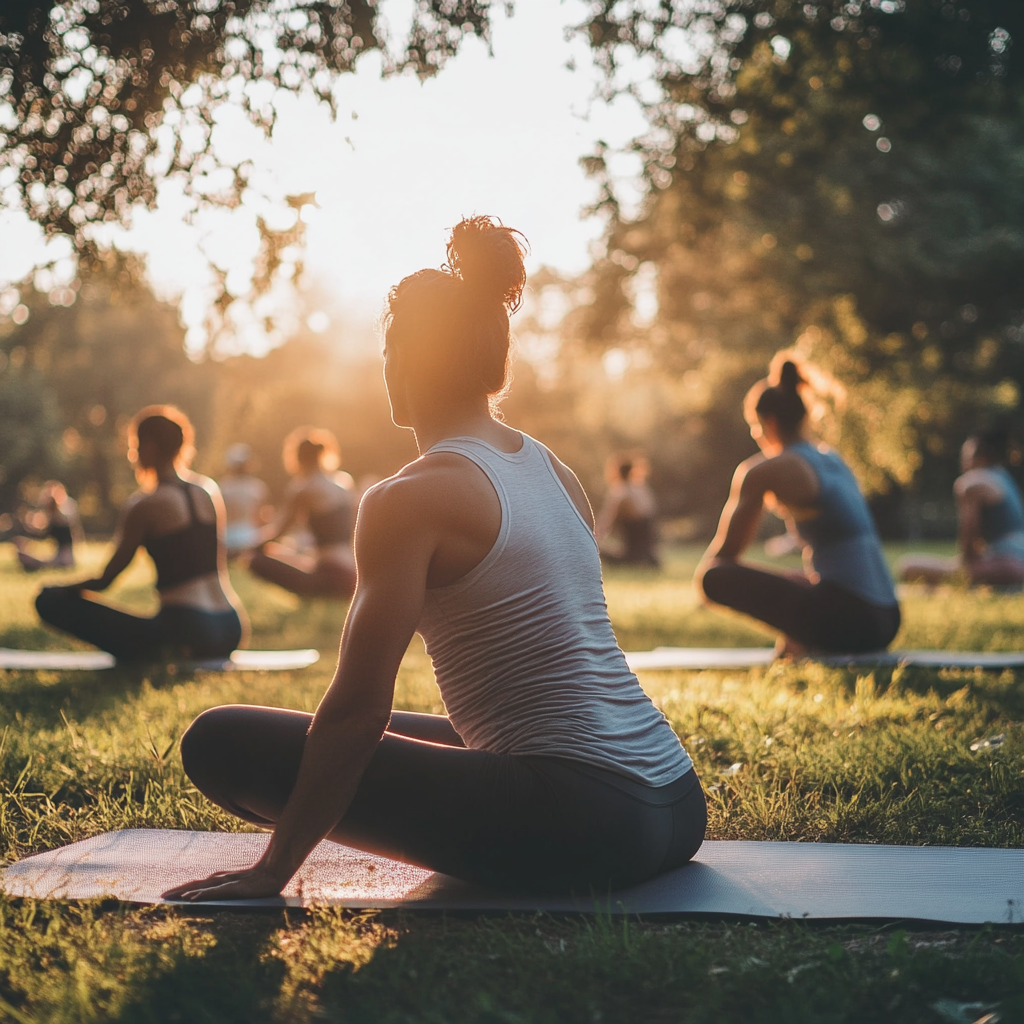
Practicing yoga outdoors is an experience that transcends mere physical activity to become a true communion with nature. Imagine yourself on a yoga mat, surrounded by the gentle rustle of leaves and the singing of birds, as the sun warms your skin. This increasingly popular practice offers a multitude of benefits for both body and mind. But what makes outdoor yoga so special, and how can it enrich our daily lives?
First and foremost, practicing yoga outside allows us to reconnect with nature—a fundamental need often neglected in our modern lives. By leaving the confines of a studio to set up in a park, on a beach, or even in your own backyard, you open yourself up to a new dimension of practice. Fresh air, natural sounds, and daylight create a calming atmosphere that promotes relaxation and focus. This immersion in nature helps reduce stress and anxiety, which are common ailments in today's society. Indeed, several studies have shown that spending time outdoors can improve our mood and overall well-being.
Moreover, outdoor yoga provides a flexibility and freedom not always found indoors. Without the constraints of an enclosed space, you can explore new poses and adapt to your surroundings. For instance, the soft grass beneath your feet might encourage you to try balancing poses, while uneven ground can enhance proprioception and body awareness. This adaptability makes each session unique and stimulating, prompting you to step out of your comfort zone and embrace the unexpected.
Furthermore, practicing yoga outdoors can also strengthen our connection with others. Participating in a group session in a public space fosters a sense of community and sharing. Interacting with fellow practitioners enriches the experience and helps build bonds around a shared passion. Additionally, this collective outdoor practice can catch the eye of passersby, sparking curiosity and interest in yoga, and perhaps even inspiring others to join in.
However, it is important to consider a few practicalities to fully enjoy the experience. Choosing the right time of day is crucial to avoid extreme temperatures and enjoy pleasant lighting. Similarly, it is advisable to check the weather forecast to avoid any unpleasant surprises. Finally, it is essential to respect the environment by leaving the space as clean as you found it, preserving the natural beauty that surrounds us.
In conclusion, outdoor yoga is much more than just physical activity; it is an invitation to reconnect with nature, explore new dimensions of the practice, and strengthen our bonds with others. By incorporating this approach into our routine, we can not only improve our physical and mental well-being but also rediscover the beauty of the world around us. So, why not unroll your mat outside and let nature guide your practice?
Family Cooking: Easy Recipes for Young and Old
Cooking as a family is an activity that never goes out of style. It offers not only the chance to prepare delicious meals but also to create unforgettable memories with loved ones. Whether you are an experienced chef or a complete novice in the kitchen, there is a multitude of easy recipes guaranteed to delight both young and old. The key is to choose crowd-pleasing dishes that allow everyone to roll up their sleeves and pitch in.
To start, there is nothing quite like homemade pizza. It is a simple recipe that allows each family member to customize their slice with their favorite toppings. Making the dough is a fun activity for children, who love kneading and rolling it out. Once the base is ready, everyone can let their creativity run wild by adding tomatoes, cheese, vegetables, or even seafood. Pizza is an excellent way to sneak vegetables into younger children's diets while letting them have fun.
Next, why not try a homemade vegetable soup? It is an ideal recipe for chilly days and incredibly easy to make. Children can help by washing and chopping the vegetables—under adult supervision, of course. Soup is not only nourishing but also a great way to discover new flavors and textures. Plus, it can be tailored to individual tastes with the addition of spices or fresh herbs.
For those with a sweet tooth, baking cookies is an absolute must. Cookies are easy to make and require only a few staple ingredients. Kids love measuring, mixing, and—most importantly—tasting the dough before baking. Once the cookies are ready, they can be enjoyed with a glass of milk or shared with friends and neighbors. It is a wonderful way to teach younger children about sharing and generosity.
Speaking of desserts, yogurt cake is another simple and delicious recipe to bake as a family. This cake is perfect for beginners because it doesn't require a kitchen scale: you simply use the yogurt container to measure the rest of the ingredients. Children can help mix the batter and fold in fruits or chocolate chips for an extra treat. Yogurt cake is perfect for an afternoon snack or celebrating a special occasion.
Finally, for those looking to explore international flavors, tacos are a fun and interactive option. Each family member can build their own taco, choosing from a variety of fillings like chicken, beef, beans, cheese, and vegetables. It is an excellent way to encourage children to try new foods while having a great time.
In conclusion, cooking as a family is a rewarding activity that allows you to spend quality time together while learning new skills. Whether you are whipping up a simple meal or an elaborate feast, the most important thing is to have fun and savor every moment spent together. So, put on your aprons and let the magic happen in your kitchen!
Urban Photography: Capturing the Beauty of Cities
Urban photography is an invitation to explore cities from a new perspective through a camera lens. It pushes us to rediscover familiar places and appreciate their often-unsuspected beauty. By roaming the streets, urban photographers capture the very essence of city life, transforming ordinary scenes into visual works of art. But what makes urban photography so captivating, and how can you get started?
First and foremost, urban photography is a way to document the constant evolution of cities. Buildings, streets, and public spaces change over time, and every photograph becomes a testament to the era in which it was taken. Urban photographers are often drawn to the striking contrasts between old and new, chaos and order, light and shadow. These elements create dynamic compositions that catch the eye and tell a story. While strolling through a city, you might notice how the morning light transforms a bustling neighborhood into a peaceful haven, or how the evening shadows add a dramatic dimension to familiar architecture.
Furthermore, urban photography is an exploration of human diversity. Cities are crossroads of cultures, lifestyles, and personal histories. Capturing moments of daily life, fleeting expressions, or spontaneous interactions reveals the richness of the human experience. Urban photographers must often exercise patience and keen observation to seize these precious moments. They learn to anticipate movements, play with perspectives, and use surrounding elements to creatively frame their subjects.
For those looking to try their hand at urban photography, it is essential to start by exploring your own city. Every street corner can offer a new perspective, and you don't need to travel far to find inspiration. While walking around, it pays to pay attention to details that often go unnoticed: reflections in store windows, repetitive patterns on facades, or the interplay of light on cobblestones. These elements can transform a mundane scene into an intriguing photograph.
Additionally, it is important to familiarize yourself with your equipment. Whether you are using a smartphone or a professional camera, understanding basic settings like exposure, focus, and composition can make all the difference. Experimenting with different techniques—such as long exposures to capture the motion of cars or artistic blur to add a touch of mystery—can also enrich your photographic experience.
Finally, urban photography is an invitation to share your vision of the world. Thanks to social networks and image-sharing platforms, it is easier than ever to showcase your work and connect with fellow enthusiasts. By sharing your photos, you can not only receive constructive feedback but also inspire others to see the beauty of cities in a whole new light.
In conclusion, urban photography is much more than a simple hobby. It is a way to connect with your environment, capture fleeting moments, and tell stories through images. Whether you are a novice or an experienced photographer, there is always something new to discover on the streets of your city. So grab your camera and set out on an adventure, because every street corner hides a beauty just waiting to be revealed.
Gardening for Beginners: Creating a Green Space at Home
Gardening is an activity that is attracting more and more people, especially those looking to reconnect with nature while staying at home. For beginners, creating a green space can seem daunting, but with a few simple tips, it is entirely possible to transform any corner of your home into a true haven of peace. The first step is choosing the ideal location for your garden. Whether you have a large backyard, a balcony, or simply a windowsill, every space can be optimized to accommodate plants. The key is making sure the chosen spot receives enough natural light, as most plants need it to thrive.
Once you've chosen the perfect spot, it's time to think about the plants you want to grow. Beginners should start with low-maintenance options like herbs, succulents, or hardy houseplants. These require minimal upkeep and will help you get the hang of gardening basics. Plus, culinary herbs like basil, mint, or parsley can be used in your cooking, adding a fresh touch to your meals while brightening up your living space.
After selecting your plants, you'll need to consider the right soil and containers. Choosing the proper soil is crucial, as it must meet the specific needs of each plant. For potted plants, an all-purpose potting mix often does the trick, though it's always wise to research individual species' preferences. As for containers, they need to be large enough to allow for root growth and must feature drainage holes to prevent waterlogging, which can be detrimental to your plants' health.
Watering is another fundamental aspect of gardening. It's important not to overwater your plants, as excess moisture can be just as damaging as a drought. A good rule of thumb is to check the soil before reaching for the watering can: if it's still damp, it's best to hold off. Moreover, since every plant has its own hydration needs, it's smart to research the specific requirements of each species to avoid common pitfalls.
Finally, remember that gardening is an activity that requires patience and observation. Take the time to watch your plants, track their growth, and adjust your care routine based on their needs. Over time, you will develop a better understanding of your green space and might even consider adding new varieties to your collection. Gardening is a rewarding endeavor that not only beautifies your home but also offers a chance to relax and reconnect with nature. So go ahead and embark on this wonderful green adventure! Activities play a crucial role in our personal and social development. They not only offer a chance to unwind and have fun, but also help build diverse skills, boost physical and mental health, and strengthen social bonds. Whether through sports, the arts, creative hobbies, or community involvement, activities enrich our daily lives and foster a healthy balance. Ultimately, engaging in a variety of activities is essential for living a fully realized and harmonious life.


