How to Manage Stress Before a Major Competition
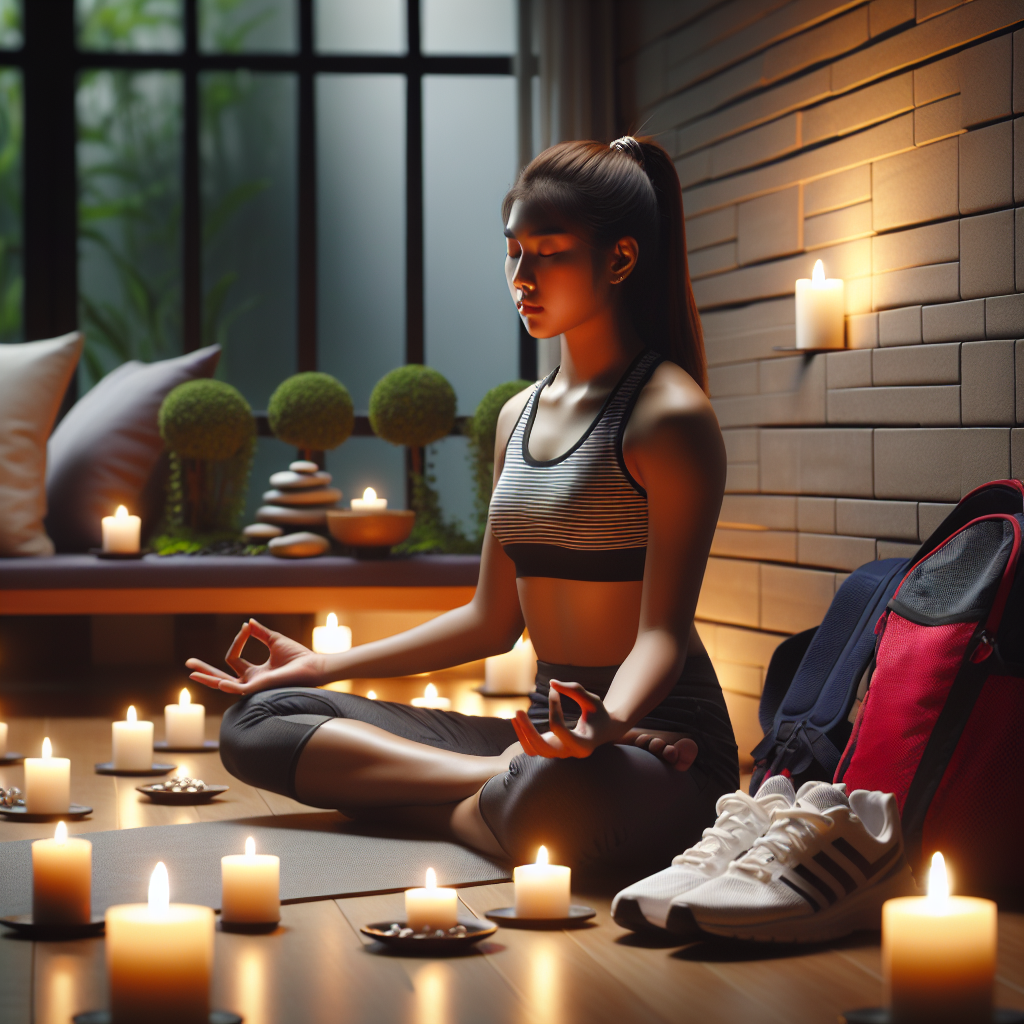
"Turn stress into strength and dominate the competition!"
Managing stress before a major competition is crucial for optimizing performance and maintaining both mental and physical well-being. While stress can sometimes serve as a motivating driving force, it can also become a significant hurdle if left unchecked. To approach a competition with calm and confidence, it is essential to implement effective stress management strategies. These can include relaxation techniques like deep breathing and meditation, establishing a pre-competition routine to feel prepared and in control, as well as adopting a positive mindset by focusing on personal strengths and past successes. By integrating these practices into their preparation, a competitor can turn stress into a powerful ally, ultimately paving the way for peak performance.
Breathing Techniques to Reduce Stress Before a Competition
Handling stress before a big event is a common challenge for many athletes. Breathing techniques can play a pivotal role in alleviating this anxiety, allowing competitors to fully focus on their performance. By exploring these methods, we uncover a fascinating world where the breath becomes a powerful tool for soothing both mind and body.
First, it is essential to understand why breathing is so effective for managing stress. When we are stressed, our bodies enter a "fight or flight" mode, which can lead to rapid, shallow breathing. Conversely, slow and deep breathing can activate the parasympathetic nervous system, which is responsible for relaxation. Therefore, by consciously controlling our breath, we can directly influence our mental and physical state.
One simple yet effective technique is diaphragmatic or belly breathing. This involves inhaling deeply through the nose, expanding the stomach like a balloon, and then exhaling slowly through the mouth. This method not only increases oxygen intake but also calms the nervous system. With regular practice of belly breathing, athletes can develop greater mind-body awareness, which is vital right before a competition.
In addition to belly breathing, the technique of cardiac coherence is also worth mentioning. This method involves synchronizing your breathing with your heart rate, typically by inhaling for five seconds and exhaling for five seconds. Cardiac coherence helps stabilize the heart rate, which can ultimately lower anxiety and sharpen focus. Many athletes find this technique particularly useful because it can be practiced discreetly, even just moments before stepping onto the field or stage.
Another compelling approach is alternate nostril breathing, a technique rooted in yoga. It consists of blocking one nostril while inhaling through the other, and then switching sides. This method is renowned for balancing the brain's hemispheres and inducing a state of calm and mental clarity. While it might seem complex at first, with a little practice, it can become an invaluable tool for managing pre-competition nerves.
It is also important to note that the regular practice of these breathing techniques can yield compounding benefits. By incorporating these exercises into their daily routines, athletes can not only reduce their stress levels before a match but also boost their overall well-being. This can translate to better sleep quality, heightened concentration, and faster recovery after physical exertion.
In conclusion, breathing techniques offer an accessible and highly effective approach to managing stress before a major competition. By exploring and practicing different methods, every athlete can find the one that best suits their needs. The key is to commit to a regular, mindful practice, allowing the breath to become a powerful ally in the pursuit of peak performance. Ultimately, mastering your breathing means mastering your mind, paving the way for exceptional performances.
The Importance of Positive Visualization Before an Event
Managing stress before a major competition is a challenge many athletes face. One often-underestimated yet incredibly effective technique is positive visualization. This method involves mentally rehearsing the ideal progression of the event, focusing on every single detail from the preparation to the actual performance. But why is positive visualization so crucial before a competition?
First and foremost, positive visualization primes the brain for action. By picturing success, the athlete builds neural pathways similar to those formed during the actual physical execution of the activity. This means the brain does not always distinguish between an action physically performed and one intensely visualized. Therefore, by mentally rehearsing movements and strategies, athletes bolster their confidence and their ability to perform under pressure. This mental preparation is particularly useful for anticipating unexpected events and quickly adapting to changing situations.
Furthermore, positive visualization helps to alleviate anxiety. By focusing on mental images of success, athletes shift their attention away from negative thoughts and doubts that can undermine their confidence. This technique fosters a positive, optimistic mindset, which is essential for approaching the competition with a sense of calm. Moreover, by visualizing positive scenarios, athletes learn to manage their emotions and remain composed, even when the pressure mounts. This can be the ultimate difference between an average performance and an exceptional one.
Positive visualization is not limited to the physical aspects of performance; it also encompasses mental and emotional readiness. By picturing themselves in a state of optimal focus, athletes can better manage their stress and emotional responses. This holistic approach builds mental resilience—a priceless asset for overcoming obstacles and persevering through adversity. By weaving visualization into their training routines, athletes cultivate a proactive, determined attitude, ready to tackle any challenge.
It is also important to note that positive visualization can be tailored to the unique needs and preferences of the individual. Some athletes prefer to picture highly specific details, like technical movements or game strategies, while others focus on the sensations and emotions associated with winning. Whatever approach is chosen, the most important thing is to fully engage in the process and believe in its effectiveness. The regular repetition of these mental exercises magnifies their impact and helps anchor positive thinking habits.
Finally, positive visualization can be combined with other stress management techniques, such as deep breathing, meditation, or yoga. These complementary practices help create a mental environment conducive to focus and performance. By integrating these different approaches, athletes can develop a comprehensive strategy to manage stress and optimize their performance.
In conclusion, positive visualization is a powerful tool for managing stress before a major competition. By priming the brain for action, reducing anxiety, and building mental resilience, this technique offers numerous benefits for athletes of all levels. By incorporating it into their training routine, they can approach competitions with confidence and composure, ready to give it their all.
How Proper Nutrition Can Help Manage Pre-Competition Stress
When preparing for a major event, stress often becomes an unwelcome companion. However, proper nutrition can play a crucial role in managing pre-competition nerves. In fact, what we eat affects not only our bodies but also our minds. To begin with, it's essential to understand that certain foods can help stabilize our mood and reduce anxiety. For example, foods rich in omega-3s, such as salmon and walnuts, are known for their anti-inflammatory properties and their ability to boost mental health. These essential fatty acids help regulate neurotransmitters in the brain, which can promote a sense of calm and well-being.
Furthermore, complex carbohydrates—such as those found in whole grains, vegetables, and legumes—are highly beneficial. They provide a steady, long-lasting source of energy, preventing the blood sugar spikes and crashes that can exacerbate stress. By maintaining a constant energy level, these foods help ward off mental and physical fatigue, allowing athletes to stay sharp and focused. Additionally, complex carbs promote the production of serotonin, a key neurotransmitter involved in mood regulation.
It is equally important not to overlook hydration. Staying well-hydrated is essential for both body and mind to function properly. Dehydration can lead to headaches, fatigue, and a lack of focus, all of which can compound stress. Drinking enough water throughout the day helps maintain optimal balance and supports cognitive function. In addition, beverages like green tea contain antioxidants and L-theanine, an amino acid that promotes relaxation without causing drowsiness.
Beyond choosing the right foods and drinks, it's crucial to pay attention to meal timing. Eating at regular intervals helps regulate metabolism and prevents the cravings that often strike during stressful periods. Moreover, taking the time to savor your meals can be a great opportunity to practice mindfulness, which also helps lower stress levels. By focusing on the present moment and appreciating every bite, you can create a welcome mental break in an otherwise hectic day.
Finally, it's important to remember that everyone is unique; what works for one person might not work for another. Keeping a food journal can be a helpful way to identify which foods and eating habits make you feel your best. By experimenting and tailoring your diet to your personal needs, you can find a nutritional approach that effectively manages your stress.
In conclusion, proper nutrition is a powerful tool for managing stress ahead of a major competition. By choosing foods that support both mental and physical health, staying hydrated, and adopting regular eating habits, you can build a solid foundation to face upcoming challenges with calm and confidence.
Time Management Strategies to Minimize Pre-Competition Stress
Managing stress before a major competition can feel like a daunting task, but with the right time management strategies, it is possible to minimize the pressure and prepare effectively. The key lies in organization and planning, which allow you to channel stress into positive, motivating energy. To start, it's essential to recognize that time is a precious and finite resource. By using it wisely, you can not only reduce stress but also boost your performance.
A crucial first step is to establish a detailed schedule for the days leading up to the event. This calendar should include not just training sessions, but also built-in time for rest and recovery. By planning ahead, you avoid last-minute surprises that can spike your stress levels. Furthermore, scheduling regular breaks gives your body and mind the chance to recharge, which is vital for maintaining optimal energy.
Next, it's important to prioritize your tasks. Not all activities are created equal when it comes to importance and urgency. By pinpointing the essential tasks that directly impact your preparation, you can focus on what truly matters. Sometimes, this means saying no to social commitments or activities that don't serve your ultimate goal. Zeroing in on the essentials frees up time and energy for the most critical aspects of your training.
Another effective strategy is breaking tasks down into smaller, more manageable steps. Rather than viewing your preparation as one overwhelming hurdle, divide it into bite-sized segments. This makes each task feel much more approachable and provides a sense of accomplishment as you cross off each milestone. This feeling of forward momentum is an excellent antidote to stress, reminding you that you are steadily advancing toward your goal.
Time management goes beyond simply organizing your to-do list; it also involves managing your environment. Create a workspace or training area that fosters focus and minimizes distractions. A well-organized environment can heavily influence your ability to stay dialed in and keep stress at bay. By eliminating unnecessary interruptions, you can maximize both your efficiency and productivity.
It is also vital to remember that time management must include moments for relaxation and unwinding. Incorporate activities that help you decompress, whether that's meditation, yoga, or simply a walk outdoors. These moments of downtime are critical for recharging your batteries and maintaining a healthy mental balance. By taking care of your mental well-being, you set yourself up to tackle the competition with a positive, confident mindset.
Finally, never underestimate the importance of flexibility. Even with the best planning, the unexpected will happen. The ability to adapt and adjust your schedule based on changing circumstances is an invaluable skill. Flexibility allows you to remain calm and focused, even when things don't go exactly to plan.
In conclusion, time management is a powerful tool for minimizing stress before a major competition. By planning carefully, prioritizing tasks, creating an environment conducive to focus, and scheduling moments of relaxation, you can transform stress into a positive force. With these strategies in place, you will be better prepared to face the competition with confidence and peace of mind.
The Impact of Physical Exercise on Stress Reduction Before a Competition
The lead-up to a major competition can often be a source of significant stress for many athletes. While sometimes motivating, this stress can also become overwhelming and hinder performance. Fortunately, physical exercise—beyond being a core component of athletic preparation—plays a crucial role in stress management. By exploring the benefits of exercise on stress, we uncover fascinating mechanisms capable of transforming anxiety into positive energy.
First, it is essential to understand how physical exercise influences our body and mind. When we engage in physical activity, our bodies release endorphins, often referred to as "feel-good hormones." These neurotransmitters act as natural painkillers and create a sense of well-being. This rush of endorphins can help alleviate the feelings of anxiety and tension that precede a competition. Furthermore, regular exercise improves sleep quality, which is vital for recovery and stress management. Restful sleep allows you to wake up with a clear mind and renewed energy, ready to tackle the day's challenges.
Beyond the physiological benefits, physical exercise also offers significant psychological advantages. Engaging in regular physical activity can boost self-confidence and self-esteem. By setting and achieving training goals, athletes can develop a sense of accomplishment and mastery. This heightened confidence can translate into a more positive and resilient attitude when facing the pressure of an impending event. Additionally, exercise can serve as a welcome distraction, allowing athletes to focus on something other than their worries. By concentrating on movement and technique, the mind is temporarily freed from stressful thoughts.
It is also worth noting that physical exercise can foster socialization and social support, two key elements in stress management. Participating in group workout sessions or team sports can create a sense of camaraderie and mutual support. Training with others who share the same goals and challenges provides a space to voice concerns and receive encouragement. This support network can be especially invaluable as a competition nears and stress reaches its peak.
However, finding a balance is important. Overtraining can lead to physical and mental fatigue, ultimately increasing stress rather than reducing it. It is crucial to listen to your body and allow for periods of rest and recovery. Incorporating relaxation practices, such as yoga or meditation, can also complement the benefits of physical exercise by soothing the mind and promoting a calm, focused mindset.
In conclusion, physical exercise is a powerful tool for managing stress before a major competition. By releasing endorphins, boosting self-confidence, and fostering social support, it turns stress into a positive driving force. By adopting a balanced approach and listening to their bodies, athletes can not only improve their performance but also enjoy the preparation process with enthusiasm and peace of mind. Managing stress before an important event requires a holistic approach combining mental, physical, and emotional preparation. First and foremost, preparing well in advance by establishing a structured training plan and setting realistic goals is essential. Positive visualization and meditation can help build self-confidence and reduce anxiety. On a physical level, maintaining a regular sleep schedule and a balanced diet helps optimize performance. It is also crucial to practice relaxation techniques, such as deep breathing or yoga, to calm both the body and the mind. Finally, it is important to remember that stress is a natural reaction and can be used as fuel to enhance performance. By adopting these strategies, you can transform stress into an ally rather than an obstacle, allowing you to focus fully on the competition and reach your full potential.


