How VAR Technology is Changing the Face of Modern Football
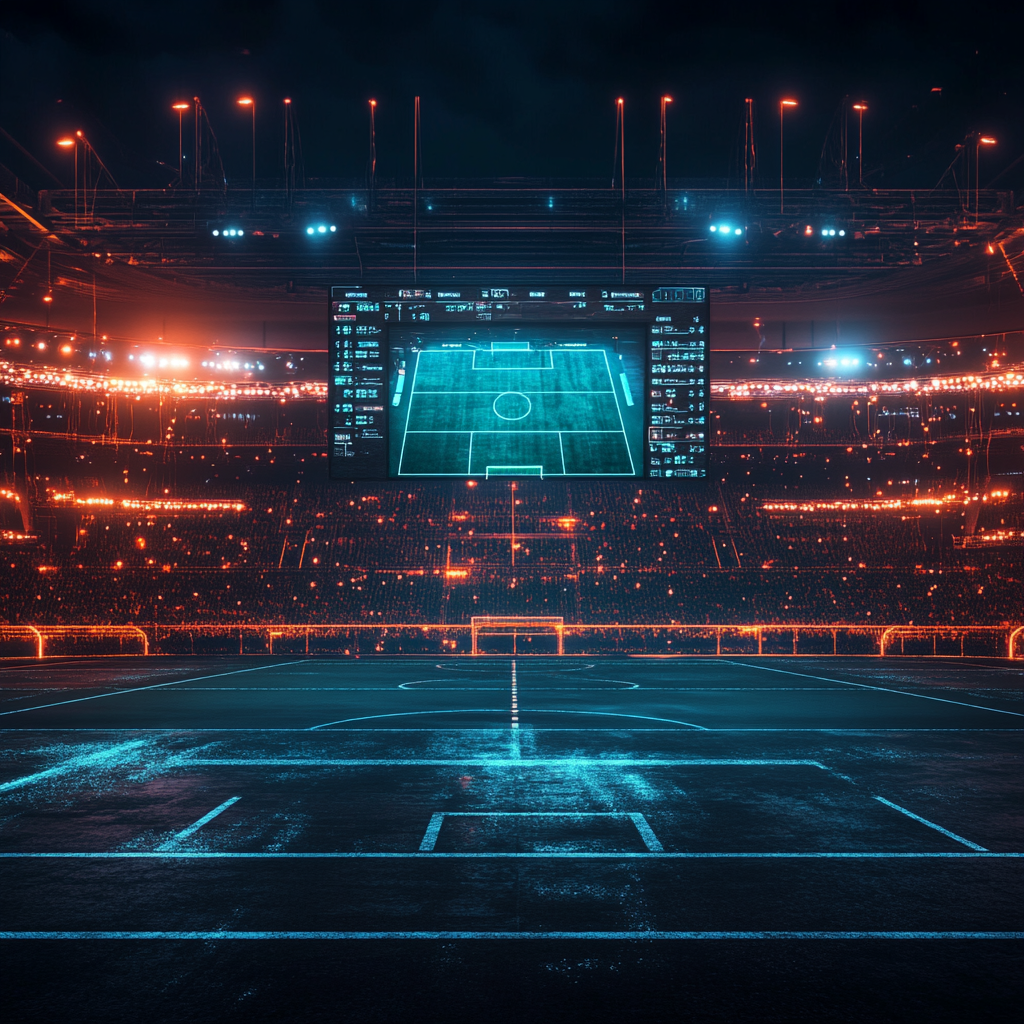
"VAR: Revolutionizing the game, one review at a time."
VAR (Video Assistant Referee) technology is profoundly transforming modern football by introducing a technological dimension to a sport traditionally judged by the human eye. Since its adoption, VAR has sparked passionate debates, altering match dynamics by providing video assistance to help referees make crucial decisions. This innovation aims to reduce human error by providing instant replays for controversial situations such as goals, penalties, red cards, and cases of mistaken identity. By integrating VAR, football seeks to increase the fairness and accuracy of refereeing decisions, although its impact on the flow of the game and the spectator experience remains a subject of ongoing debate.
The Impact of VAR Technology on Refereeing Decisions
VAR technology, or video assistant refereeing, has made a striking entrance into the world of modern football, drawing both praise and criticism. Its impact on refereeing decisions is undeniable, and it is fascinating to explore how this technological tool is transforming the game. First and foremost, it is essential to understand that VAR was introduced to minimize human errors that can influence the outcome of a match. Referees, despite their experience, are prone to errors in judgment, especially in split-second situations. Here, VAR acts as a safety net, allowing incidents to be reviewed from multiple angles and at varying speeds.
One of the most notable impacts of VAR is the increased accuracy of decisions. Offside situations, for instance, which have historically been a source of controversy, can now be analyzed with pinpoint precision. This significantly reduces errors that could change the course of a match. However, this heightened accuracy does not come without its challenges. Critics point out that the use of VAR can disrupt the natural flow of the game, creating pauses that frustrate both players and spectators. Yet, these interruptions are often justified by the need to ensure fairness and correct decision-making.
Furthermore, VAR also has a psychological impact on referees. Knowing that a call can be reviewed and overturned can either relieve pressure or, paradoxically, increase it. Some referees might hesitate to make firm decisions, relying on VAR to rectify any potential mistakes. This raises the question of whether VAR undermines the referee's authority on the pitch. However, it is important to note that VAR is not there to replace the referee, but to assist them. The referee remains the final decision-maker, and VAR is simply a tool to help them make the best possible call.
Another interesting aspect is how VAR influences team strategy. Coaches and players must now account for the possibility that every action might be reviewed. This can lead to shifts in how teams approach certain situations, such as fouls inside the penalty area or unsportsmanlike conduct. By making the game more transparent, VAR is pushing teams to adopt cleaner, more thoughtful strategies.
Despite the criticism, it is undeniable that VAR has brought a new dimension to modern football. It has helped correct glaring injustices and made the game fairer. Nevertheless, like any technology, it is constantly evolving and requires adjustments to integrate seamlessly into the sport. Football's governing bodies continue to work on improving the system, seeking to reduce wait times and clarify the protocols for its use.
In conclusion, the impact of VAR technology on refereeing decisions is profound and complex. It has delivered heightened precision and fairness, while simultaneously raising new questions about match dynamics and the referee's role. As football continues to evolve, it will be fascinating to see how VAR adapts and integrates into this thrilling sport.
Reducing Human Error Through VAR
In the world of modern football, VAR technology—or video assistant refereeing—has sparked numerous passionate debates and discussions. One of the most significant promises of this innovation is the reduction of human error, an issue that has long been a source of frustration for players, coaches, and fans alike. By exploring how VAR helps minimize these mistakes, we can better understand its impact on the game.
First and foremost, it is essential to recognize that football, like any sport, is subject to human error. Referees, despite being highly qualified experts, are human and can sometimes miss incidents or make questionable calls. This is where VAR comes in, offering a second set of eyes to review critical plays. Thanks to multiple cameras and a variety of angles, VAR makes it possible to revisit key moments in a match, such as goals, penalties, red cards, and cases of mistaken identity. This ability to review actions in real time—or near real time—provides an invaluable opportunity to correct mistakes that might otherwise influence the outcome of a match.
Furthermore, the introduction of VAR has also helped alleviate some of the pressure on referees. Knowing they have technological backup to verify their decisions can help them focus more on the ongoing play, rather than constantly worrying about the potential fallout of their calls. This does not mean that VAR replaces the referee; rather, it acts as a safety net, ensuring that the decisions made are as fair and accurate as possible.
However, it is important to note that the use of VAR is not without its challenges. One of the main points of criticism is the time it takes to review decisions, which can disrupt the natural flow of the game. Fans and players can sometimes feel frustrated by these pauses, which can occasionally seem endless. Yet, it is crucial to weigh these drawbacks against the benefits of a more accurate decision. Football's governing bodies are continually working to improve the process, seeking ways to make reviews faster and more efficient.
Additionally, VAR has also sparked discussions about the very nature of the game. Some football purists believe that the introduction of technology could harm the spirit of the sport, which has always been characterized by its unpredictability and moments of controversy. However, others argue that VAR simply adds a new dimension to the game, making it fairer and cutting down on glaring injustices.
Ultimately, VAR technology represents a significant leap forward in the quest for a fairer and more transparent game of football. While there are still adjustments to be made, its potential to reduce human error is undeniable. By continuing to refine and integrate this technology, modern football can look forward to a future where controversial decisions are less frequent, thereby allowing players to focus on what they do best: playing the game.
The Influence of VAR on Playing Time and the Pace of the Game
Since the introduction of the Video Assistant Referee, commonly known as VAR, modern football has undergone significant changes, particularly regarding playing time and the pace of the game. This technology, while innovative, has sparked widespread debate among fans, players, and sports pundits. Exploring the impact of VAR on the flow of matches reveals a world where precision and fairness sometimes collide with the fluidity and emotion of the sport.
First and foremost, it is essential to understand how VAR works and why it was introduced. The primary goal of this technology is to minimize human error by allowing referees to review crucial decisions, such as goals, penalties, red cards, and cases of mistaken identity. In theory, this should make the game fairer. However, the impact of VAR on actual playing time remains a major concern. Interruptions to check video replays can sometimes be lengthy, slowing down the natural rhythm of the match. Fans, accustomed to fast-paced, continuous play, often find these pauses frustrating, as they break the momentum and dampen the excitement of the moment.
Furthermore, VAR has altered the on-pitch dynamic. Players must now contend with the reality that every action is potentially subject to review. This can influence their behavior, sometimes making them more cautious in their actions for fear that an innocuous gesture might be misinterpreted under the scrutiny of the cameras. This heightened caution can, in turn, affect the pace of the game, as players take extra care to ensure their actions comply with the rules.
However, it is important to note that VAR is not solely synonymous with slowdowns. In some instances, it has helped correct glaring errors that could have otherwise altered the course of a match. For example, an unjustly disallowed goal or a denied penalty can be rectified through this technology, ensuring that the final score better reflects the reality on the pitch. This adds a layer of justice that, although sometimes slow to materialize, is crucial for the integrity of the sport.
Despite these benefits, the debate over VAR's impact on the pace of matches remains fiercely contested. Some suggest that improvements could be made to reduce the time required for decision-making, such as utilizing more advanced technologies or providing referees with enhanced training to speed up the process. Others propose limiting the number of times VAR can be called upon during a match to preserve the natural flow of the game.
In conclusion, the introduction of VAR into modern football has undeniably changed how the game is played and perceived. While it delivers increased accuracy and fairness, it also raises questions about the impact of technology on the very essence of the sport. As football continues to evolve, it will be fascinating to see how VAR adapts and integrates into the global football landscape, striking a balance between the need for fair decisions and the desire for a fluid, thrilling game.
Fan Perception of the Use of VAR
Since the introduction of the Video Assistant Referee, commonly known as VAR, modern football has undergone a significant transformation. This technology, designed to help referees make more accurate decisions, has elicited mixed reactions from fans worldwide. Exploring fan perception of VAR reveals a spectrum of opinions that reflect both enthusiasm and frustration.
To begin with, many view VAR as a positive advancement that brings a dimension of justice and accuracy to the game. Fans who have long witnessed controversial decisions and refereeing errors welcome this technology, which promises to right blatant wrongs. Indeed, VAR has the potential to transform matches by correcting mistakes that could have otherwise altered the course of a fixture. This ability to restore fairness is often praised by those who believe football must move with the times and embrace technological innovations.
However, despite these advantages, VAR is not without its detractors. Some fans express dissatisfaction with the technology's impact on the rhythm and emotion of the game. Football, by its very nature, is a fluid and dynamic sport, and the interruptions caused by video checks can break this momentum. Passionate fans, who experience every match with intense emotion, sometimes feel these pauses shatter the immersive experience they hold so dear. Furthermore, waiting for a decision can create palpable tension in the stadiums, often turning excitement into frustration.
Moreover, the subjectivity of decisions made with the help of VAR also fuels the debate. Although the technology is meant to provide clarity, it does not entirely remove the human element from refereeing. Interpretations vary, and final decisions can still be perceived as controversial. This ambiguity leaves some supporters perplexed, questioning whether VAR has truly achieved its goal of making the game fairer.
Despite these criticisms, there is no denying that VAR has opened an important dialogue on the evolution of football. The discussions surrounding this technology prompt fans to reflect on what they expect from the sport and how it should develop. Supporters are becoming increasingly aware of the stakes involved in integrating technology into football, and this awareness could shape the future of the sport.
Ultimately, fan perception of VAR is a complex blend of acceptance and skepticism. While some embrace the change with optimism, others remain deeply attached to a more traditional vision of the game. What is certain is that VAR has sparked a global conversation regarding the balance between tradition and innovation in football. By continuing to observe the evolution of this technology and its impact on the sport, fans worldwide are participating in a collective reflection on the future of modern football.
The Evolution of Football Rules with the Introduction of VAR
Since the introduction of VAR (Video Assistant Referee) technology in football, the game has undergone a significant transformation, both on and off the pitch. This technological innovation has sparked extensive debate among fans, players, and sports experts, while also bringing notable changes to how the rules of football are applied. To understand the impact of VAR, it is essential to examine the evolution of football's laws and how this technology has redefined certain aspects of the game.
Prior to the advent of VAR, refereeing decisions relied primarily on the human eye, leaving room for error and controversy. Fans still remember instances where goals were wrongfully awarded or disallowed, sometimes altering the outcome of crucial matches. With VAR, the primary objective was to minimize these errors by providing referees with an additional tool to review key decisions. This led to a revision of the rules detailing the specific situations where VAR can be utilized, such as goals, penalties, direct red cards, and mistaken identity.
The introduction of VAR has also necessitated a recalibration of the rules to ensure the game remains both fluid and fair. The offside laws, for instance, have come under intense scrutiny; VAR can pinpoint a player's exact position the moment the ball is played. While this has undoubtedly led to fairer decisions, it has also sparked debate over whether the offside rule needs redefining to prevent microscopic margins from deciding the fate of a goal. Consequently, this heightened precision has prompted football’s governing bodies to consider adjustments that preserve the spirit of the game while fully embracing these technological advancements.
Furthermore, VAR has profoundly influenced how referees make on-pitch decisions. Knowing they have the safety net of real-time video review, officials are now more inclined to let play continue, safe in the knowledge that they can overturn a call if necessary. This shift has altered the overall dynamic of the match, forcing players to adapt to a new reality where every single passage of play is subject to re-evaluation. Managers and teams have had to tweak their strategies as well, factoring in that initial decisions can be contested and ultimately reversed.
However, integrating VAR has not been without its challenges. The inevitable pauses for video reviews can occasionally disrupt the flow of the match, and communicating these decisions clearly to stadium matchgoers remains a significant area for improvement. Despite these hurdles, VAR has undeniably made football fairer by drastically reducing the glaring errors that once dictated the outcome of a match.
Ultimately, the introduction of VAR marks a watershed moment in the evolution of football's rulebook. While the technology has brought its fair share of challenges, it has also provided a unique opportunity to rethink certain regulations, adapting them for the modern era. As football continues to evolve, it will be fascinating to see how VAR and future technological innovations continue to shape the global game we love. VAR (Video Assistant Referee) technology has profoundly transformed modern football, introducing an unprecedented level of precision and fairness to officiating. By enabling the review of key match-defining moments—such as goals, penalties, red cards, and cases of mistaken identity—VAR has mitigated the human errors that once heavily influenced outcomes. This technology has undeniably altered the dynamic of the sport; the necessary pauses for video reviews have frequently sparked debate regarding the game's rhythm and fluidity. Nevertheless, by bolstering transparency and equity, VAR has helped reinforce the credibility of competitions and diffuse the tensions that typically surround controversial calls. In closing, while it may never be entirely free from criticism, VAR has undeniably changed the face of modern football, making the sport fairer and bringing refereeing decisions in line with contemporary technological progress.


