Functional Training: Boosting Athletic Performance Through Full-Body Workouts
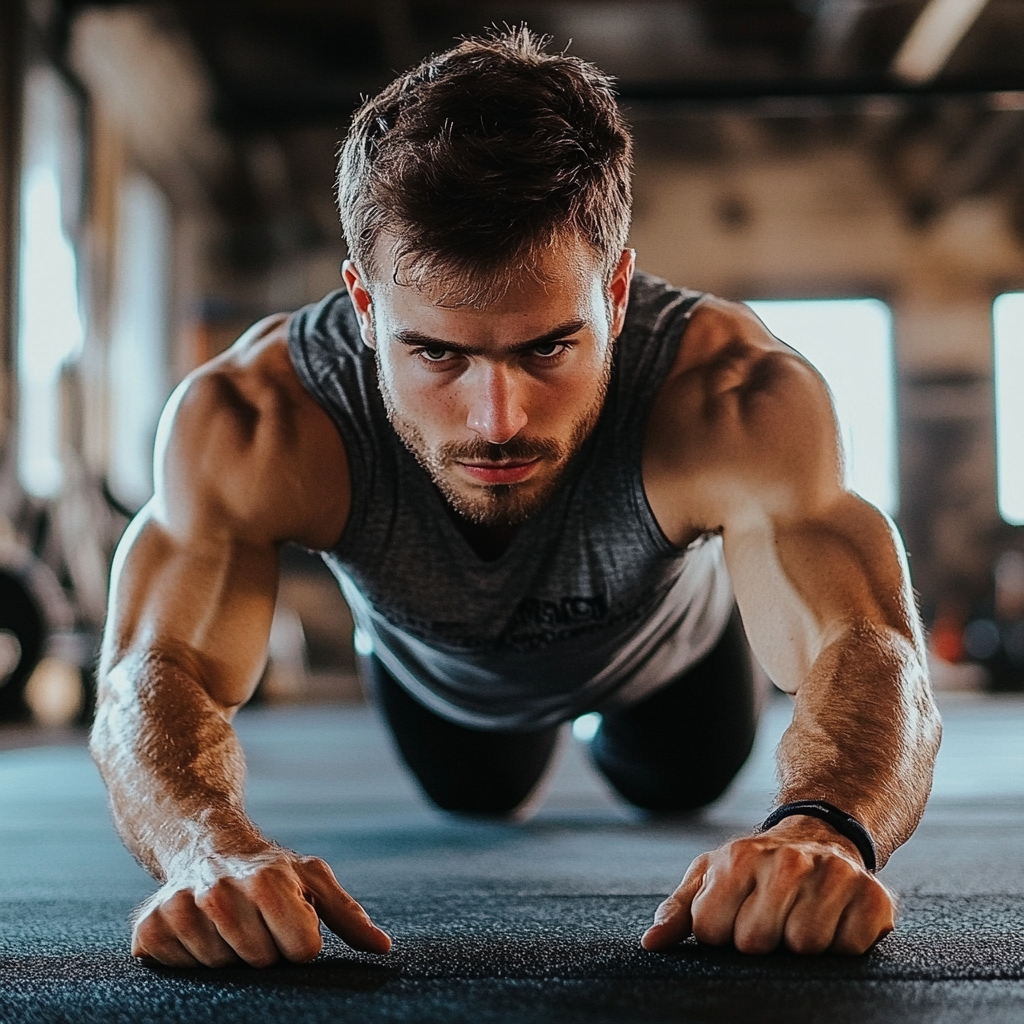
"Boost your athletic performance with functional training: full-body workouts for a powerful physique!"
Functional training is a physical conditioning approach designed to enhance athletic performance by focusing on comprehensive movements and exercises that mimic daily and sports-related activities. Unlike traditional workouts that isolate individual muscles, functional training engages multiple muscle groups simultaneously, thereby promoting coordination, balance, strength, and flexibility. By incorporating exercises that reflect the body's natural movements, this method not only optimizes athletic output but also significantly reduces the risk of injury. Whether you are a professional athlete or a weekend warrior, functional training provides a solid foundation for improving efficiency and power across various sports disciplines.
Understanding the Principles of Functional Training to Optimize Athletic Performance
Functional training has become an essential pillar for anyone looking to elevate their athletic performance. But what makes this approach so effective, and how can it transform your exercise routine? To understand this, we need to dive into the core principles underpinning this training method. Unlike traditional exercises that often focus on isolating a single muscle or muscle group, functional training aims to engage multiple muscles and joints simultaneously. This replicates the body's natural movements, which is especially beneficial for athletes striving to improve their agility, strength, and endurance.
One of the primary advantages of functional training is its ability to enhance coordination and balance. By integrating movements that challenge the body as a whole, athletes can develop better kinesthetic awareness. This translates to improved on-field performance, whether that means running faster, jumping higher, or changing direction with greater fluidity. Furthermore, by strengthening the stabilizer muscles, functional training helps mitigate the risk of injury—a crucial factor for high-level athletes.
Moreover, functional training is highly adaptable, making it accessible to everyone regardless of their fitness level. Exercises can be modified to scale the intensity up or down, allowing individuals to progress at their own pace. This flexibility is particularly appealing for those looking to tailor their workout regimens to specific goals. For instance, a runner might focus on exercises that build leg power and cardiovascular endurance, whereas a tennis player might prioritize movements that enhance quickness and hand-eye coordination.
Another fascinating aspect of functional training is its impact on posture and bodily alignment. By working through movements that engage the core and postural muscles, athletes can correct muscular imbalances and improve their overall posture. This not only optimizes athletic output but also contributes to general well-being by reducing the chronic tension and pain frequently associated with poor posture.
It is also worth noting that functional training can be integrated into virtually any environment, whether at home, in the gym, or outdoors. Utilizing a variety of equipment—such as kettlebells, medicine balls, or simply body weight—allows for the creation of dynamic and stimulating workouts. This diversity not only sustains interest and motivation but also encourages the body to constantly adapt, which is vital for preventing performance plateaus.
In conclusion, functional training offers a holistic approach to improving athletic performance. By focusing on comprehensive movements that engage the entire body, it allows athletes to develop functional strength, better coordination, and improved posture. Whether you are a professional athlete or a passionate amateur, incorporating functional training into your routine can transform the way you move and help you reach new heights in your sport. By exploring these principles and adapting them to your needs, you will unlock a new dimension of your athletic potential.
The Best Functional Exercises to Build Stability and Coordination
Functional training has become an indispensable pillar for anyone looking to boost their athletic performance. By emphasizing movements that mimic daily activities, it helps build stability and coordination—two essential elements for excelling in any sport. But what are the most effective functional exercises for achieving these goals? Let's explore a few options that deserve a spot in your workout routine.
To start, the single-leg squat, or "pistol squat," is an exercise that intensely challenges both stability and coordination. By balancing on one leg, you engage not only your leg muscles but also your core, which has to work overtime to maintain balance. This exercise is particularly beneficial for runners and cyclists, as it strengthens the stabilizer muscles around the knees and ankles, thereby reducing the risk of injury. To build up to it, start with assisted squats by holding onto a bar or a chair, then gradually transition to unassisted reps.
Next, the "plank to push-up" is another functional exercise worthy of your attention. By transitioning from a forearm plank to a standard push-up position, you engage a multitude of muscle groups while simultaneously improving your coordination. This exercise is excellent for strengthening the core, shoulders, and arms, all while increasing overall body stability. To make it more difficult, try lifting a leg or an arm during the movement, which will add an extra challenge to your balance.
Multi-directional lunges are also an excellent way to improve stability and coordination. Unlike traditional lunges, this exercise requires you to move in different directions, which targets your muscles from varied angles. This is particularly useful for sports that demand rapid changes of direction, such as soccer or basketball. By incorporating forward, lateral, and reverse lunges into your routine, you not only strengthen your legs but also enhance your ability to stabilize yourself in dynamic positions.
Another exercise to consider is the "Turkish get-up," a complex but incredibly beneficial movement. Starting from a lying position, you must stand up while holding a weight overhead. This movement engages nearly every muscle in the body and requires precise coordination to be executed correctly. While it may seem intimidating at first, it is an exceptionally effective way to improve core stability and overall coordination.
Finally, let's not forget the importance of dynamic core exercises, such as mountain climbers. This movement, which involves rapidly alternating your knees toward your chest from a plank position, is excellent for strengthening the core while improving coordination and cardiovascular endurance. It is particularly useful for athletes who need a rock-solid foundation and the ability to sustain fast, controlled movements.
By incorporating these functional exercises into your routine, you'll notice a significant improvement in your stability and coordination, directly translating to better athletic performance. Functional training goes beyond merely building muscle; it’s about forging a body capable of moving efficiently and safely in every direction. So, why not give these exercises a try and experience firsthand the benefits they can bring to your sport?
How Functional Training Can Reduce the Risk of Injury in Athletes
Functional training has become a cornerstone in the sports world, and for good reason. By focusing on movements that mimic daily and athletic activities, it offers a holistic approach that goes far beyond basic strength training. One of the most significant benefits of this method is its ability to lower the risk of injury among athletes—a crucial factor for anyone looking to extend their career and maximize performance.
To understand how functional training can mitigate injury risks, it’s essential to look at the very nature of these exercises. Unlike the isolated movements commonly performed in traditional weight rooms, functional training engages multiple muscle groups simultaneously. This builds strength not just in the primary movers, but also in the stabilizer muscles, which play a critical role in injury prevention. For instance, an exercise like a rotational squat engages not only the quads and glutes but also the core and obliques, thereby enhancing both stability and balance.
Furthermore, functional training emphasizes improving mobility and flexibility—two frequently overlooked elements that are essential for injury prevention. Better joint mobility allows athletes to execute movements through a full range of motion, reducing stress on joints and connective tissues. Additionally, by incorporating flexibility-enhancing exercises, athletes can alleviate muscle tension and improve their posture, which helps lower the risk of injuries caused by poor body mechanics.
Another crucial aspect of functional training is its focus on proprioception—the ability to sense the body's position and movement in space. By enhancing proprioception, athletes develop greater body awareness, allowing them to react faster and more effectively to unpredictable situations on the field. This can be especially beneficial in contact sports or those requiring rapid changes of direction, where the risk of injury runs high.
Moreover, functional training encourages a highly personalized approach, tailored to the specific needs of each athlete. By working with qualified coaches, athletes can identify their unique weaknesses and muscular imbalances, designing a training program that targets these high-risk areas. This customization not only boosts overall performance but also fortifies vulnerable spots, further minimizing injury risks.
Finally, it’s important to highlight that functional training promotes active recovery, an often underestimated component of injury prevention. By weaving low-intensity exercises and stretching into their routine, athletes can improve blood circulation, reduce muscle soreness, and accelerate the healing process. This allows them to bounce back to training faster and maintain a high level of performance without compromising their health.
In short, functional training offers a comprehensive, balanced approach that goes far beyond basic muscle building. By improving stability, mobility, and proprioception, and by promoting active recovery, it plays a vital role in reducing injury risks for athletes. For those looking to optimize their performance while safeguarding their physical well-being, weaving functional training into their routine might just be the ultimate key to success.
Integrating Functional Training into Your Routine for Better Athletic Results
Functional training has become a must-have pillar for anyone looking to elevate their athletic performance. Unlike traditional methods that often focus on building isolated muscle groups, functional training aims to strengthen the body as a cohesive unit. This holistic approach not only boosts strength and endurance but also optimizes coordination, balance, and flexibility. By incorporating movements that mimic everyday activities, functional training prepares the body to better handle physical challenges, whether on the sports field or in daily life.
To start weaving functional training into your routine, it’s essential to grasp its underlying core principles. The idea is to work multiple muscle groups at once, using exercises that challenge the body in a natural, dynamic way. For example, movements like squats, lunges, or deadlifts are excellent for engaging the lower body while simultaneously bracing the core. These exercises do more than just build strength; they also enhance stability and mobility—crucial elements for preventing injuries and leveling up sports performance.
Furthermore, functional training is easily adaptable to all fitness levels. Whether you’re a seasoned athlete or a total beginner, you can scale the intensity and complexity of the exercises to meet your specific needs. An experienced athlete, for instance, might incorporate more complex movements like burpees or kettlebell swings, whereas a beginner could start with foundational exercises using light weights or strictly body weight. This adaptability makes functional training an highly appealing option for anyone looking to improve their overall fitness.
Another major advantage of functional training is its ability to enhance proprioception—your perception of where your body is in space. By sharpening this skill, athletes gain better control over their movements, which directly translates to superior on-field performance. For example, a soccer player with good proprioception will be more agile and capable of making rapid directional changes, thereby lowering the risk of injury. Moreover, this heightened body awareness carries over into daily life, bringing positive effects to aspects like posture and overall balance.
It is also important to note that functional training can be seamlessly integrated with other forms of exercise to maximize results. For example, combining functional training sessions with cardiovascular workouts can improve endurance while strengthening the cardiovascular system. Similarly, adding yoga or Pilates can complement functional training by enhancing flexibility and mental focus. This integrated approach helps create a balanced workout program that addresses every aspect of your overall fitness.
In summary, incorporating functional training into your routine can completely transform your approach to sports and exercise. By focusing on comprehensive and dynamic movements, this method offers a multitude of benefits that go far beyond simply increasing muscle strength. Whether you are looking to boost your athletic performance, prevent injuries, or simply feel better in your own body, functional training is an effective, adaptable strategy worth exploring. So why not give it a try and see firsthand the benefits it can bring to your workout routine?
Case Studies: Athletes Who Enhanced Their Performance Through Functional Training
Functional training has gained significant popularity in recent years, and for good reason. Many athletes have discovered that this holistic approach to exercise can dramatically transform their athletic capabilities. To illustrate the real-world impact of functional training, let's look at a few case studies of athletes who have seen their performance improve thanks to this method.
Take Sarah, for example, a long-distance runner who had hit a plateau in her performance. Despite intense training regimens, she simply couldn't manage to improve her race times. That's when she decided to incorporate functional training into her routine. By focusing on exercises that mimicked the natural biomechanics of running, such as lunges and squats, she strengthened her stabilizer muscles and improved her overall posture. Within a few months, Sarah not only broke her personal best but also experienced a noticeable reduction in injuries, allowing her to train more consistently and intensely.
Another fascinating example is Tom, a professional basketball player. Tom had always relied on traditional weightlifting to build his strength. However, he began to notice that his mobility and flexibility were lacking, which was negatively affecting his on-court performance. By integrating functional exercises geared toward agility and coordination, Tom was able to improve his ability to change direction rapidly and jump higher. This physical transformation was highly evident during games, where he could outmaneuver his opponents with a renewed sense of ease.
Functional training is not strictly limited to individual sports; athletic teams benefit from it as well, as demonstrated by the Lions rugby team. Faced with a frustrating losing streak, the coaching staff decided to completely overhaul their training approach. By integrating functional exercises that simulated rugby-specific movements—such as tackles and scrums—the team drastically improved its cohesion and collective strength. The results were highly impressive: not only did the Lions start winning more games, but they also saw a steep decline in player injuries.
These examples clearly demonstrate that functional training can be a valuable asset for athletes across all levels and disciplines. By focusing on movements that engage multiple muscle groups and mirror the specific actions of their sport, athletes can elevate their overall performance. Furthermore, this approach inherently reduces the risk of injury by strengthening stabilizer muscles and promoting greater flexibility.
In conclusion, functional training offers a holistic approach that can profoundly transform athletic performance. Whether you are a professional athlete or a passionate amateur, incorporating functional exercises into your routine can help you reach new heights. The case studies of Sarah, Tom, and the Lions perfectly illustrate how this method can make a tangible difference. So why not try functional training and see for yourself the benefits it can bring to your own athletic performance? Functional training is a targeted approach aimed at improving sports performance by focusing on exercises that engage multiple muscle groups and mimic the body's natural movements. Unlike traditional exercises that isolate specific muscles, functional training incorporates movements that build coordination, balance, strength, and flexibility. This not only enhances the mechanical efficiency of athletic movements but also actively reduces the risk of injury by strengthening stabilizer muscles and improving posture. By integrating functional exercises into their regimens, athletes can develop superior overall physical fitness, which directly translates to heightened performance in their chosen discipline. Ultimately, functional training is a highly effective method for optimizing athletic capability by developing well-rounded physical skills perfectly tailored to the specific demands of any sport.


