The Importance of Psychology in Elite Sports
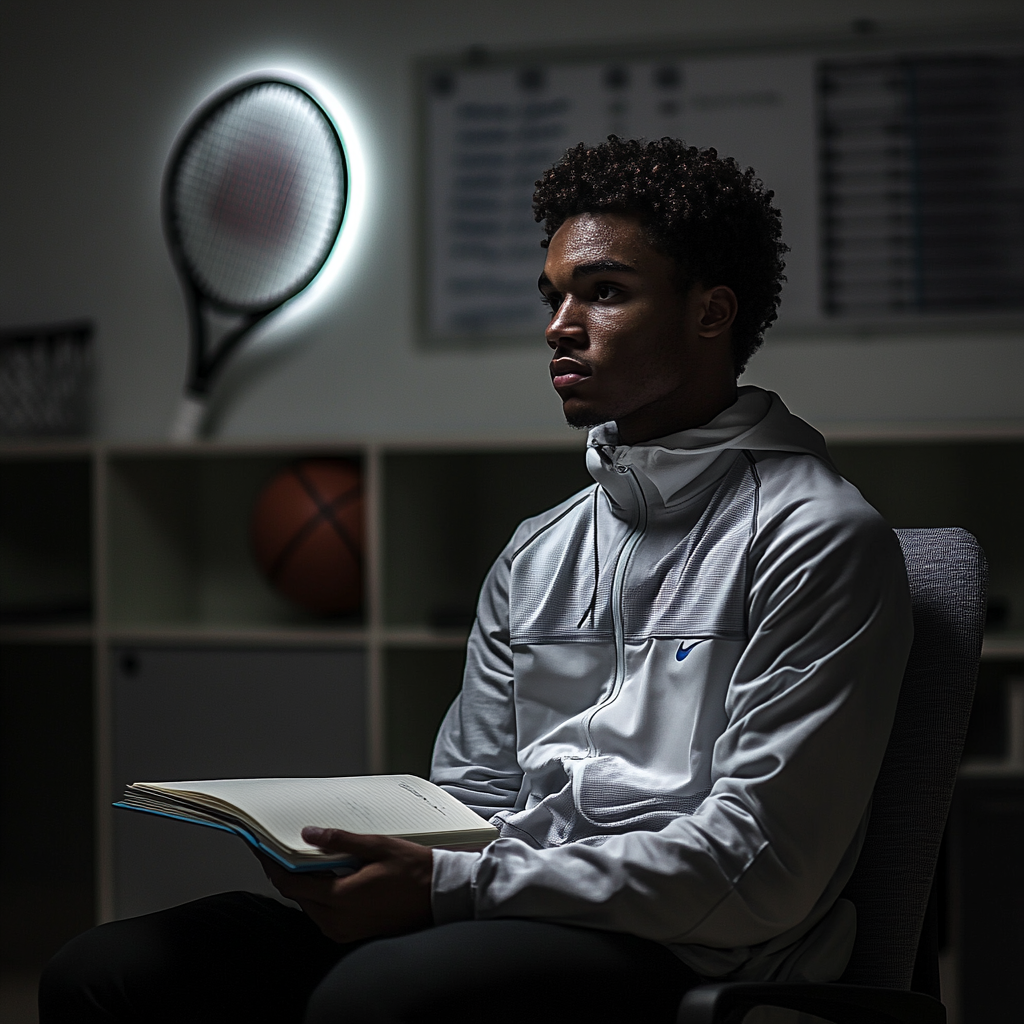
"Psychology: the invisible engine driving athletic performance."
Psychology plays a critical role in elite sports, where the difference between winning and losing is often dictated as much by mental factors as physical ones. Top-tier athletes must possess not only technical skills and exceptional physical conditioning, but also mental resilience and the ability to handle stress and pressure. Sports psychology helps hone these skills by focusing on concentration, motivation, anxiety management, and self-confidence. It also empowers athletes to overcome setbacks, maintain a positive mindset, and set realistic, attainable goals. By integrating psychological techniques into their training regimens, athletes can elevate their performance, maximize their potential, and achieve their objectives much more effectively.
Enhancing Athletic Performance Through Mental Conditioning
In the world of elite sports, physical preparation is frequently highlighted as the cornerstone of performance. However, an equally vital—yet sometimes overlooked—component is mental conditioning. Sports psychology is instrumental in elevating athletic performance, and a growing number of athletes and coaches are recognizing its value. Ultimately, mental preparation can be the deciding factor between a good performance and a truly exceptional one.
Mental conditioning begins with setting clear, achievable goals. Athletes who establish specific targets are more motivated and focused. This clarity allows them to visualize the path ahead and stay fully committed to their training. Visualization, for instance, is a widely used technique that enables athletes to picture themselves succeeding. By mentally rehearsing every movement and every phase of their performance, they bolster their self-confidence and their ability to execute those actions in reality.
Furthermore, stress management is a critical facet of mental preparation. High-stakes competitions inevitably bring intense pressure, and an athlete's ability to handle it can make or break their success. Relaxation techniques, such as deep breathing and meditation, help alleviate anxiety and foster a calm, focused mindset. By learning to regulate their stress, athletes can sharpen their concentration and enhance their overall performance.
Mental resilience is another cornerstone of psychological conditioning. Elite athletes frequently face setbacks and failures. The ability to bounce back from a loss or an injury is crucial for sustaining a successful career. Resilience empowers athletes to view failures as learning opportunities rather than insurmountable roadblocks. This positive, proactive attitude is often what separates true champions from the rest of the pack.
Focus is also a fundamental aspect of athletic performance. In an environment where every second counts, the ability to stay locked in on the objective is paramount. Distractions abound, whether internal, such as negative thoughts, or external, like the roar of the crowd. Concentration techniques equip athletes to stay hyper-focused on their execution while tuning out any disruptive elements.
Finally, intrinsic motivation plays a pivotal role in mental preparation. Athletes driven by a genuine passion for their sport are often the most successful. This internal drive pushes them to train harder, persevere through challenges, and continually push their limits. Sports psychology helps cultivate this motivation by reinforcing their love for the game and reminding them why they chose this path in the first place.
In conclusion, mental conditioning is an indispensable component of elite athletic performance. By adopting techniques for goal-setting, stress management, resilience, focus, and motivation, athletes can not only boost their performance but also enrich their overall sporting experience. Sports psychology provides invaluable tools to help athletes unlock their full potential, and its significance continues to grow in the world of elite sports.
Managing Stress and Anxiety in Professional Athletes
While physical prowess often takes center stage in high-level sports, the psychological dimension is just as vital. Professional athletes face relentless pressure to excel, which can breed significant stress and anxiety. Understanding how to navigate these emotions is essential for maintaining mental balance and optimizing performance. Stress and anxiety management is therefore a foundational element of sports psychology, deserving close attention.
Athletes contend with sky-high expectations from their coaches, teammates, fans, and themselves. This pressure can be overwhelming and lead to severe stress levels. If left unchecked, stress can have a devastating impact on an athlete's performance, resulting in mistakes, injuries, and even burnout. This is where sports psychology steps in, offering the necessary tools and techniques to help competitors manage their stress effectively.
One of the most common methods for managing stress is the practice of mindfulness. Mindfulness grounds athletes in the present moment, thereby reducing the impact of negative thoughts and distractions. By focusing on their breathing and observing their thoughts without judgment, athletes can lower their stress levels and sharpen their focus. This technique is particularly effective during competitions, when the pressure is at its absolute peak.
Alongside mindfulness, visualization is another powerful tool athletes use to combat anxiety. By picturing themselves succeeding in their sport, they can boost their self-assurance and curb their nerves. Visualization creates a positive mental blueprint of the performance, which can directly influence the actual outcome. By repeatedly rehearsing these mental images, athletes can mentally prepare to face high-stress situations with greater composure.
Managing stress and anxiety extends beyond cognitive techniques; the importance of a healthy lifestyle cannot be overstated. A balanced diet, adequate sleep, and consistent physical activity are essential for maintaining a sound mind in a sound body. Athletes who take proper care of their physical health are better equipped to handle stress and anxiety. Moreover, social support is paramount. A strong support network of family, friends, and professionals ensures athletes feel understood and backed, which inherently lowers their stress levels.
Finally, it is important to recognize that every athlete is unique and that stress management strategies must be tailored to their individual needs. Sports psychologists work closely with athletes to develop personalized plans that account for their strengths and weaknesses. Ultimately, managing stress and anxiety is an ongoing process that requires patience and perseverance.
In conclusion, sports psychology plays an essential role in managing stress and anxiety among professional athletes. By utilizing techniques such as mindfulness and visualization, adopting a healthy lifestyle, and relying on social support, athletes can better handle pressure and improve their performance. The key is to acknowledge the importance of the psychological dimension and actively engage in practices that promote mental well-being.
The Role of Psychology in Injury Recovery
Psychology plays a crucial role in elite sports, particularly when it comes to recovering from an injury. When an athlete gets injured, the impact isn't just physical; it's also mental. An injury can lead to a loss of confidence, frustration, and even anxiety about the future of their sporting career. This is where psychology steps in to help the athlete navigate these mental and emotional challenges.
First, it is essential to understand that physical and mental recovery are closely linked. A healthy mind can accelerate the physical healing process. Sports psychologists often work with athletes to develop stress and pain management strategies, which can have a direct impact on the speed and effectiveness of their recovery. For example, relaxation and visualization techniques can be used to reduce anxiety and improve the athlete's overall mindset.
Next, motivation plays a key role in recovery. After an injury, it's common for athletes to feel demotivated, especially if the rehabilitation is long and grueling. Sports psychologists help maintain motivation by setting realistic goals and celebrating small victories throughout the healing process. This keeps the athlete focused and positive, even when progress seems slow.
Furthermore, self-confidence is often shaken after an injury. Athletes may doubt their ability to return to their previous level of performance. Sports psychology steps in here to rebuild that confidence. Through cognitive-behavioral therapy sessions, athletes learn to replace negative thoughts with positive affirmations and focus on their strengths rather than their weaknesses. This approach not only helps restore self-confidence but also mentally prepares the athlete for a successful return to competition.
Additionally, social support is another important aspect of psychological recovery. Psychologists encourage athletes to surround themselves with positive, understanding people, whether that means family members, friends, or teammates. A strong support network can provide the encouragement needed to overcome difficult times and boost the athlete's morale.
Finally, it is important to recognize that every athlete is unique and that psychological recovery must be personalized. Sports psychologists tailor their approaches to the individual needs of each athlete, taking into account their personality, the type of injury, and their environment. This customization ensures that the athlete receives the most effective support possible for their specific situation.
In conclusion, psychology plays an indispensable role in injury recovery within elite sports. By addressing the mental and emotional aspects of healing, sports psychologists help athletes regain their confidence, maintain their motivation, and mentally prepare for a successful return to competition. With the right psychological support, athletes can not only overcome their injuries but also emerge stronger and more resilient.
Developing Mental Resilience for Competitions
In the world of elite sports, physical performance is often front and center, but it is crucial not to underestimate the importance of psychology. Indeed, developing mental resilience is a fundamental aspect for athletes who wish to excel in their respective disciplines. Mental resilience is the ability to overcome obstacles, manage stress, and bounce back from failure. But how can athletes develop this essential quality?
First, it's important to understand that mental resilience isn't developed overnight. It is a process that requires time, patience, and constant commitment. Athletes must learn to know themselves, identifying their mental strengths and weaknesses. This introspection is often facilitated by the guidance of sports psychologists, who help athletes explore their thoughts and emotions. By working on self-awareness, athletes can better understand how their mental states influence their performance.
Next, visualization is a commonly used technique to build mental resilience. By imagining themselves succeeding in competitive situations, athletes can mentally prepare to face real-world challenges. This practice allows them to familiarize themselves with the feelings of success and bolster their self-confidence. Moreover, visualization helps reduce anxiety by creating a sense of control over the outcome of events. By repeating these mental exercises, athletes develop a positive and proactive attitude toward challenges.
Furthermore, stress management is another key element in developing mental resilience. High-level competitions are often accompanied by intense pressure, and knowing how to handle it is crucial for maintaining optimal performance. Relaxation techniques, such as deep breathing and meditation, are invaluable tools to help athletes stay calm and focused. By integrating these practices into their daily routines, athletes can better control their response to stress and prevent it from negatively impacting their performance.
Moreover, setting realistic and attainable goals is essential for building mental resilience. Athletes must learn to set goals that are both ambitious and achievable. This allows them to stay motivated and measure their progress in a tangible way. By reaching these goals, however small, athletes reinforce their self-confidence and their determination to persevere in the face of challenges.
Finally, it is important to highlight the value of social support in developing mental resilience. Athletes surrounded by a solid support network—made up of coaches, teammates, family, and friends—are better equipped to face adversity. This support provides them with a space to share their experiences, receive advice, and find comfort during tough times. By cultivating these relationships, athletes can draw upon an additional source of strength to overcome obstacles.
Ultimately, building mental resilience is a complex but essential process for elite athletes. Through introspection, visualization, stress management, goal setting, and social support, athletes can strengthen their ability to overcome challenges and excel in their performance. By integrating these elements into their mental preparation, they give themselves the best chance to succeed in the highly competitive world of elite sports.
The Impact of Motivation and Self-Confidence on Athletic Performance
In the world of elite sports, physical prowess is often highlighted as the ultimate deciding factor for success. However, psychology plays an equally crucial role, directly influencing an athlete's results. Among the many psychological aspects, motivation and self-confidence stand out as key elements that can mean the difference between victory and defeat. By exploring how these factors interact and impact athletic performance, we uncover a fascinating dynamic where mind and body work in harmony to achieve excellence.
Motivation, first and foremost, is the driving force that pushes athletes to transcend their limits. It can be intrinsic, stemming from a personal desire to improve and overcome challenges, or extrinsic, fueled by external rewards such as medals, recognition, or lucrative contracts. Athletes with strong intrinsic motivation are often more resilient in the face of failure and adversity, as their personal satisfaction is not solely tied to their results. This form of motivation fosters a more sustainable and balanced approach to sports, allowing athletes to maintain a high level of performance over the long term.
At the same time, self-confidence is another essential pillar of athletic success. It manifests as an athlete's unwavering belief in their ability to achieve their goals. High self-confidence allows athletes to manage the pressure of competition, stay focused, and make swift, effective decisions. It is often the result of rigorous preparation, accumulated experience, and constant support from those around them. However, it is important to note that self-confidence must be realistic and well-founded. Excessive confidence, detached from reality, can lead to underestimating opponents and making costly mistakes.
The synergy between motivation and self-confidence creates a virtuous cycle that propels athletes to uncharted heights. Strong motivation fuels self-confidence by pushing athletes to train harder and mentally prepare for upcoming challenges. In turn, bolstered self-confidence stimulates motivation, allowing athletes to visualize their future successes and truly believe in their ability to achieve them. This dynamic interaction is often what separates champions from the rest of the field.
However, maintaining a balance between these two elements is not always easy. Athletes may sometimes face self-doubt or a drop in motivation, especially after a string of poor performances. In these moments, psychological support becomes crucial. Sports psychologists play a vital role in helping athletes identify the sources of their motivation, rebuild their self-confidence, and develop strategies to overcome mental roadblocks. Through techniques such as visualization, goal setting, and stress management, athletes can regain their psychological balance and come back stronger.
In conclusion, motivation and self-confidence are inseparable components of elite athletic performance. Their influence on an athlete's results is undeniable, and their complex interaction warrants special attention. By understanding and cultivating these psychological aspects, athletes can not only improve their performance but also enrich their sporting experience, turning every challenge into an opportunity for personal growth and self-improvement. Psychology plays a crucial role in elite sports by directly influencing athletic performance. It helps develop essential mental skills such as focus, stress management, resilience, and motivation. These skills enable athletes to maintain a high level of performance, even under intense pressure. Furthermore, sports psychology helps improve team cohesion and communication, which are key elements for collective success. Ultimately, integrating psychology into sports training not only optimizes physical performance but also fosters the mental well-being of athletes—an absolute necessity for achieving and maintaining excellence at the highest levels of sport.


