Sports Nutrition: How to Plan Your Meal Before a Major Competition
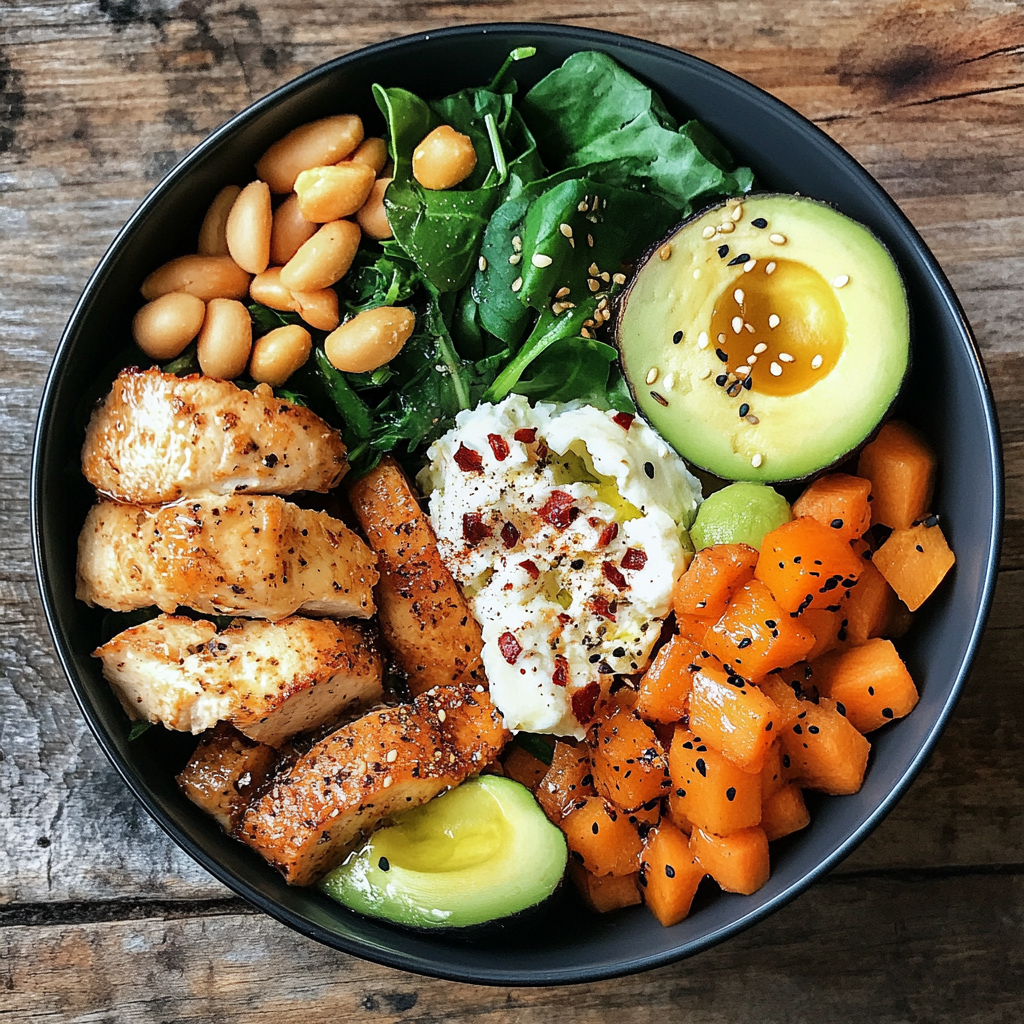
"Boost your performance: plan your meal, dominate the competition!"
Sports nutrition plays a crucial role in athletic performance, especially when it comes to preparing a meal before a major competition. A well-planned pre-game meal can optimize energy stores, improve endurance, and reduce the risk of premature fatigue. It is essential to focus on carbohydrate-rich foods to maximize glycogen reserves, while also including proteins to support muscle repair and healthy fats for sustained energy. Timing is equally critical; it is generally recommended to eat this meal about three to four hours before the event to allow for proper digestion. Hydration should never be overlooked, as it is vital for maintaining performance and preventing dehydration. By keeping these elements in mind, athletes can develop a nutritional strategy that supports their performance goals and helps them bring their A-game to the competition.
Understanding the Specific Nutritional Needs of Your Sport
When gearing up for a sporting event, nutrition plays a pivotal role in how well you perform. Every sport has its own physical demands and, consequently, its own specific nutritional requirements. Understanding these needs is key to planning a pre-competition meal that will give you the energy required to excel. By exploring the unique aspects of your discipline, you can tailor your diet to maximize your performance.
First and foremost, it is important to recognize that endurance sports, such as marathon running or cycling, require a different nutritional approach than strength sports like weightlifting or sprinting. Endurance athletes need fuel to sustain prolonged effort, making carbohydrates their best ally. Complex carbs, such as pasta, brown rice, and vegetables, are ideal because they release energy slowly and steadily. Conversely, strength sports demand a closer focus on protein, which aids in muscle repair and growth. Lean protein sources, like chicken, fish, or legumes, are therefore essential for these athletes.
However, focusing solely on macronutrients isn't enough. Micronutrients also play a vital role in athletic performance. Iron, for instance, is crucial for endurance athletes because it helps transport oxygen through the blood. Iron-rich foods, such as spinach and lentils, should be a staple in their diet. Similarly, calcium is important for strength sports, as it contributes to bone health and muscle contraction. Dairy products or calcium-fortified alternatives can be highly beneficial.
Beyond understanding the specific nutritional needs of your sport, considering the timing of your pre-game meal is crucial. Eating too early or too late can negatively impact your performance. Generally, consuming a meal rich in carbohydrates and moderate in protein about three to four hours before the event is highly recommended. This gives your body ample time to digest and absorb the necessary nutrients without leaving you feeling heavy or bloated. If you need a quick energy boost, a light snack, such as a banana or an energy bar, can be eaten about 30 to 60 minutes before the competition starts.
Finally, let’s not forget hydration—a frequently overlooked yet critical component of sports nutrition. Water is essential for maintaining performance and preventing dehydration, which can severely compromise both your endurance and your focus. Make sure to drink plenty of water in the days leading up to the competition and continue hydrating on game day. For longer or more intense events, isotonic drinks can be highly effective in replenishing lost electrolytes.
In conclusion, planning a pre-competition meal requires a deep understanding of the nutritional needs specific to your sport. By adapting your diet to meet these demands, paying close attention to timing, and ensuring proper hydration, you can optimize your performance and give yourself the best possible chance of success. So, the next time you are preparing for a major event, take a moment to refine your nutritional strategy and experience the difference it can make.
Choosing Complex Carbohydrates for Sustained Energy
When preparing for an athletic competition, diet is a cornerstone of performance. A crucial aspect of this preparation is selecting the right carbohydrates, which serve as the body's primary energy source. However, not all carbs are created equal. For long-lasting energy, it is best to turn to complex carbohydrates. Found in foods like whole grains, legumes, and certain vegetables, these are digested more slowly by the body, providing a gradual and sustained release of energy.
By incorporating complex carbs into your pre-competition meal, you ensure a stable energy level throughout the entire event. Unlike simple carbohydrates, which can cause rapid energy spikes followed by sudden crashes, complex carbs help you avoid these unwanted fluctuations. This is especially vital for athletes who need to maintain focus and peak performance over extended periods. For instance, a bowl of oatmeal topped with fruit and nuts makes for an excellent pre-game breakfast before a morning competition.
In addition to providing sustained energy, complex carbohydrates are often rich in fiber, which promotes better digestion and keeps you feeling full longer. This can be a significant advantage in warding off hunger pangs during the competition. That said, it is important not to consume too much fiber right before the event, as it could lead to digestive discomfort. Striking the right balance is therefore essential for optimizing your performance.
Planning your pre-game meal must also factor in timing. It is widely recommended to eat a meal rich in complex carbohydrates about three to four hours prior to the event. This allows plenty of time for smooth digestion, ensuring that energy is readily available exactly when you need it most. If you require an extra little boost, a light snack, like a banana or a granola bar, can be eaten roughly an hour before the competition.
It is equally crucial to personalize your approach based on your individual needs and dietary tolerances. Every athlete is unique, and what works perfectly for one might not suit another. Experimenting with different types of complex carbohydrates during training sessions can help you determine what works best for your body. Doing so will allow you to approach the competition with total confidence, knowing you have optimized your nutrition for peak performance.
Finally, keep in mind that hydration is just as important as food. Make sure to drink enough water before, during, and after your event to keep your body properly hydrated. Proper hydration, combined with an adequate intake of complex carbohydrates, can make all the difference in your performance.
Ultimately, opting for complex carbohydrates in your pre-competition meal is a smart strategy for ensuring sustained energy and optimal performance. By carefully planning your nutrition and listening to your body's needs, you can approach your event feeling confident and ready to give it your all.
The Importance of Protein for Muscle Repair
When preparing for a sporting event, nutrition plays a crucial role in both performance and recovery. Among the many essential nutrients, protein holds a prominent place, especially when it comes to muscle repair. But why is protein so important, and how can it be effectively incorporated into a pre-competition meal?
Protein is often described as the body's building blocks. It is essential for the growth, repair, and maintenance of bodily tissues, including muscles. When athletes train intensely, their muscle fibers undergo micro-tears. This is where protein steps in, helping to repair and strengthen those fibers—a crucial process for enhancing performance and preventing injury. By incorporating protein into a pre-competition meal, you not only promote muscle repair but also optimize post-exercise recovery.
However, it isn't just about consuming any random source of protein; quality and timing are also key factors to consider. Complete proteins, which contain all the essential amino acids, are particularly beneficial. Sources such as chicken, fish, eggs, and dairy products are excellent choices. For vegetarians or those who prefer plant-based options, quinoa, tofu, and legumes can also provide a solid dose of complete proteins.
When it comes to timing, it is generally recommended to eat a protein-rich meal about three to four hours before competing. This gives your body enough time to digest and absorb the necessary nutrients without causing digestive discomfort during the event. Furthermore, pairing protein with complex carbohydrates offers a dual advantage: the carbs provide the necessary fuel to support physical exertion, while the protein ensures muscle repair and recovery.
It is equally important not to overlook hydration. Proper fluid intake is essential for transporting nutrients throughout the body, including protein. Drinking enough water before, during, and after your meal can help maximize nutrient absorption and sustain peak performance.
Furthermore, every athlete is unique, making it crucial to tailor your protein intake to your individual needs. These requirements can vary based on the type of sport, training intensity, and personal goals. A weightlifter, for instance, may require more protein than a long-distance runner. Consulting a sports nutritionist can be highly beneficial for developing a customized meal plan that meets your specific athletic needs.
Ultimately, protein plays an indispensable role in an athlete's pre-competition prep. By carefully planning a pre-event meal that includes high-quality protein, you can enhance muscle repair while optimizing your overall performance. By keeping in mind the importance of timing, protein quality, and hydration, athletes can give themselves the best possible chance of success at their next competition.
Optimal Hydration: What to Drink Before a Competition
When preparing for a sporting event, hydration is frequently an overlooked—yet absolutely crucial—aspect of performance. In fact, what you drink before stepping onto the field or track can significantly impact your endurance, focus, and ability to recover. So, what should you be drinking to ensure you're in peak condition on game day? Let's dive into the best hydration strategies for optimizing your performance.
First and foremost, it's essential to understand that proper hydration doesn't start on the day of the event. In reality, it needs to be a priority throughout your entire training period. Drinking enough water on a daily basis forms the foundation of good hydration. However, as the event draws near, it's a smart idea to adjust your fluid intake to meet your body's specific demands. Two to three days prior to the competition, slightly increase your water intake to ensure your body is fully hydrated. This doesn’t mean chugging liters of water all at once, but rather spacing out your intake evenly throughout the day.
As competition day approaches, it's important to pay attention to the quality of the liquids you're consuming. While water remains your best ally, isotonic sports drinks can be highly beneficial in certain situations. These beverages are designed to replace electrolytes—such as sodium and potassium—lost through sweat, making them particularly useful for high-intensity or endurance activities. However, it's crucial to select isotonic drinks free from excessive added sugars or unnecessary additives, as these can lead to sudden energy spikes followed by hard crashes.
On the morning of the competition, aim to drink about 500 ml of water or an isotonic beverage two to three hours before the event begins. This gives your body ample time to absorb the fluids and flush out any excess before your warm-up. From there, continue sipping small amounts of water up until 30 minutes prior to the start. This approach helps you maintain optimal hydration levels without feeling bloated or sluggish.
It is also worth noting that caffeine—though frequently used to boost focus and alertness—should be consumed in moderation. While a small cup of coffee or tea can benefit some athletes, excessive intake can lead to dehydration and unwanted side effects like anxiety or heart palpitations. If you do opt for caffeine, make sure to consume it at least an hour before your event to give your body time to adapt.
In conclusion, optimal pre-competition hydration requires careful planning and attention to detail. By incorporating these strategies into your routine, you can ensure your body is primed to perform at its peak. Remember that every athlete is unique, so experimenting with different approaches during training can help you dial in what works best for you. Ultimately, proper hydration is a key component to achieving your athletic goals and maximizing your true potential.
Meal Timing: When to Eat for Maximum Performance
When gearing up for a sports competition, nutrition plays a pivotal role in your overall performance. One often overlooked yet essential aspect is meal timing. Knowing exactly when to eat can mean the difference between a personal best and a lackluster showing. So, how can you perfectly time your meals to maximize your potential on the big day?
First and foremost, it is important to understand that your body needs time to digest and absorb nutrients. Eating too close to the event can lead to digestive discomfort, while eating too early can leave you drained of energy right when you need it most. Striking the right balance is therefore essential. Generally, it is highly recommended to eat your main meal about three to four hours prior to the competition. This meal should be rich in complex carbohydrates, moderate in protein, and low in fat to ensure easy digestion and a steady stream of energy.
Carbohydrates are the primary fuel source for your muscles during exercise, so they should make up the bulk of your pre-competition meal. Think of foods like brown rice, whole-wheat pasta, or quinoa, which offer a slow and sustained release of energy. Proteins, meanwhile, aid in muscle repair and growth. Opt for lean sources such as chicken, fish, or tofu. Finally, keep fat to a minimum, as it slows down digestion and can cause discomfort if consumed in excess before a workout.
Once your main meal is planned, it is also a good idea to schedule a light snack one to two hours before your event. This snack should consist mostly of simple carbohydrates, which digest quickly and deliver a rapid energy boost. Fruits like bananas or apples, or a low-fiber energy bar, make excellent choices. A well-timed snack keeps your blood sugar levels stable and helps prevent energy crashes during the race or match.
Staying well-hydrated is equally crucial. Even mild dehydration can severely hamper your performance. Make sure to drink water regularly throughout the day leading up to your competition. However, avoid gulping down large amounts of liquid right before the event to keep from feeling bloated. A good rule of thumb is to drink about 500 ml of water two hours before exercising, then take small sips right up until the start of the competition.
Finally, it is vital to test drive your nutritional strategy before game day. Every athlete is unique, and what works for one person might not work for another. Use your training sessions to experiment with different types of meals, snacks, and timings to figure out what suits you best. This will allow you to approach the competition with confidence, knowing you have fine-tuned your nutrition for maximum performance.
In conclusion, while food choice is critical, meal timing is just as important when it comes to maximizing sports performance. By carefully planning your meals and snacks, staying properly hydrated, and testing your strategy in advance, you can give yourself the best possible chance of success at your next competition. Planning a pre-competition meal is essential for optimizing athletic output. This meal should be eaten around three to four hours prior to the event to allow for proper digestion. It needs to be rich in carbs to top off glycogen stores, moderate in protein to support muscle repair, and low in fat and fiber to prevent digestive upset. Complex carbohydrates like rice, pasta, or whole-wheat bread are ideal, paired with lean proteins such as chicken or fish. Hydration is also paramount; drinking enough water before the event is highly recommended. Ultimately, a well-planned pre-competition meal can boost endurance, focus, and overall performance by delivering the necessary energy while minimizing the risk of digestive issues.


