Physical Conditioning: Optimize Your Body for Peak Performance
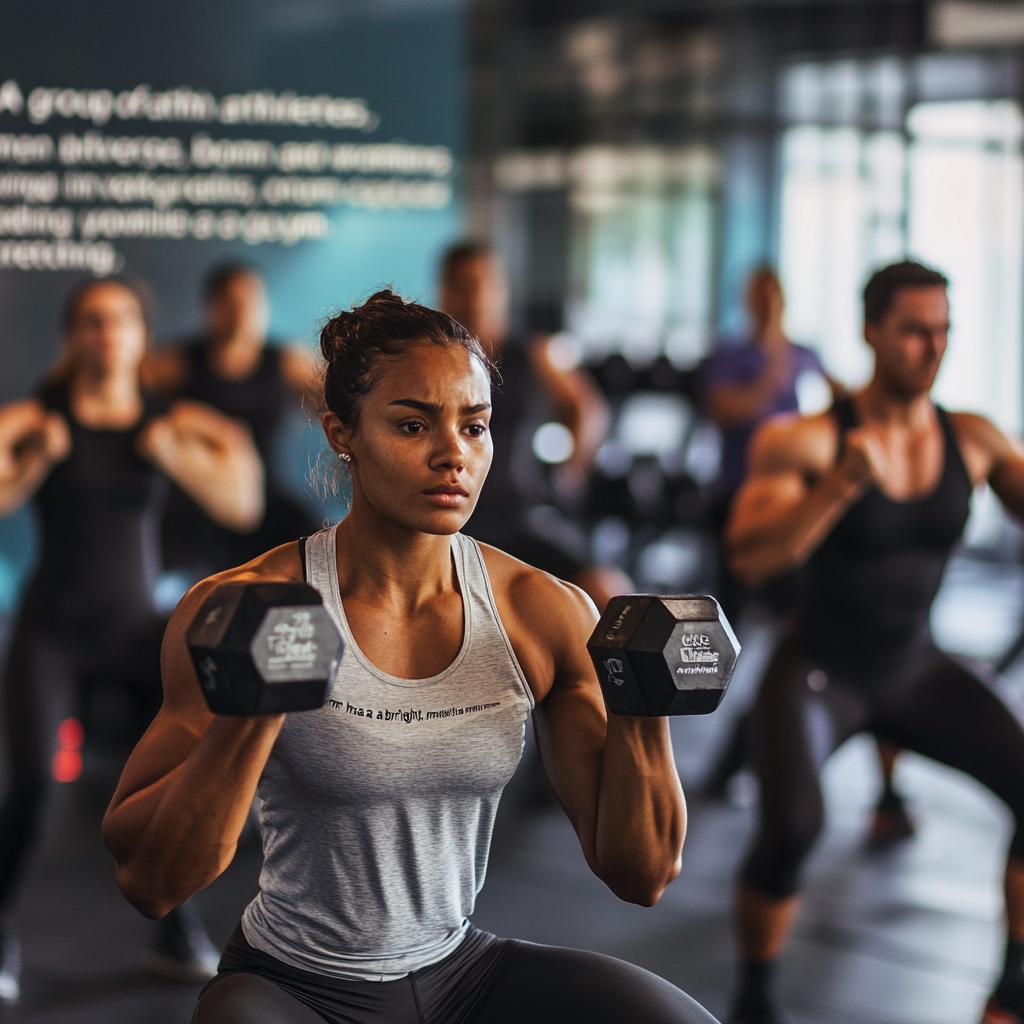
In elite sports, physical conditioning is not a luxury, but a necessity. Whether you are a competitive athlete or an enthusiastic amateur, a well-crafted conditioning program is essential for achieving peak performance and maximizing your potential. By targeting the various components of physical fitness, an athlete can improve their strength, endurance, speed, and agility, all while preventing injuries and accelerating recovery. But how exactly do you optimize your body for peak performance? The answer lies in a scientific, systematic approach to physical training.
1. Physical Conditioning: A Pillar of Performance
Physical conditioning is a comprehensive process encompassing several elements critical to an athlete's well-being. It not only enhances physical capabilities but also builds resilience against the grueling demands of elite sports. A well-structured conditioning program targets strength, power, endurance, flexibility, and speed. Therefore, following a routine tailored to your specific sport and goals is crucial for maximizing performance.
2. Core Components of Physical Conditioning
To optimize performance, it is vital to develop the body's various physical capabilities. While every athlete must tailor their training to their specific needs, the following are the primary components of physical conditioning that should never be overlooked:
- Muscular Strength: Strength is the foundation of many athletic achievements. Resistance training, using free weights or bodyweight exercises, develops this critical component. Well-developed strength facilitates explosive movements and helps prevent injuries.
- Cardiovascular Endurance: Endurance is essential for maintaining sustained effort. Aerobic exercises like running, swimming, or cycling strengthen the cardiovascular and respiratory systems, thereby increasing an athlete's ability to perform over extended periods.
- Flexibility and Mobility: Supple muscles and mobile joints help prevent injuries and boost overall performance. Flexibility is enhanced through regular stretching and mobility work, such as yoga or gymnastics.
- Speed and Agility: These qualities are paramount in sports requiring rapid movements and frequent changes of direction. Sprint intervals, agility drills, and jump training effectively target these areas.
- Coordination and Balance: Improving neuromuscular coordination allows for more precise movement control, while balance is vital for contact sports and disciplines involving complex, dynamic motions.
3. The Importance of Recovery
Effective physical conditioning doesn't stop at intense workouts. Recovery is an equally critical factor in optimizing long-term performance. It encompasses active rest phases, stretching, sports massage, and proper sleep management. Recovery allows the body to repair muscle tissue, reduce inflammation, and replenish energy stores. Without adequate recovery, training gains are compromised, and the risk of injury significantly increases.
4. Effective Training Techniques for Physical Conditioning
To maximize the effectiveness of your physical training, several methodologies and techniques can be tailored to fit any athletic discipline:
- High-Intensity Interval Training (HIIT): This method alternates short bursts of intense effort with periods of rest or low-intensity recovery. It is a highly efficient way to quickly build strength, endurance, and cardiovascular capacity.
- Plyometrics: Involving jumps and explosive movements, these exercises are particularly effective at developing muscular power and reaction speed.
- Functional Training: This approach focuses on natural body movements and building strength that translates directly into real-world sports situations. It is particularly well-suited for team sports and disciplines requiring constant changes of direction.
5. Nutrition and Hydration: Essential Allies
Nutrition and hydration are crucial components of any physical conditioning regimen. A balanced diet, rich in essential nutrients, fuels the muscles and ensures optimal recovery. Athletes should prioritize protein for muscle repair, carbohydrates for energy, and healthy fats to support vital bodily functions. Hydration, meanwhile, is essential for sustaining performance, staving off muscle cramps, and preventing dehydration, which can lead to severe drops in performance.
6. The Long-Term Benefits of Physical Conditioning
Beyond immediate performance gains, physical conditioning offers profound long-term benefits. It strengthens the entire body, safeguards against injuries, and maintains peak physical health. Furthermore, a consistent conditioning routine promotes athletic longevity and helps athletes navigate transition periods more smoothly, whether they are recovering from an injury or shifting their career focus.
Conclusion
Optimizing your body for peak performance requires a well-designed and highly tailored physical conditioning program. By developing various physical components, integrating effective training methodologies, and prioritizing recovery and nutrition, any athlete can unlock their maximum potential. When executed correctly, physical conditioning is the ultimate key to sustained performance and long-term competitiveness, whether you are competing on the world stage or playing for the love of the game.


