Top 10 Most Expensive Transfers of the Season
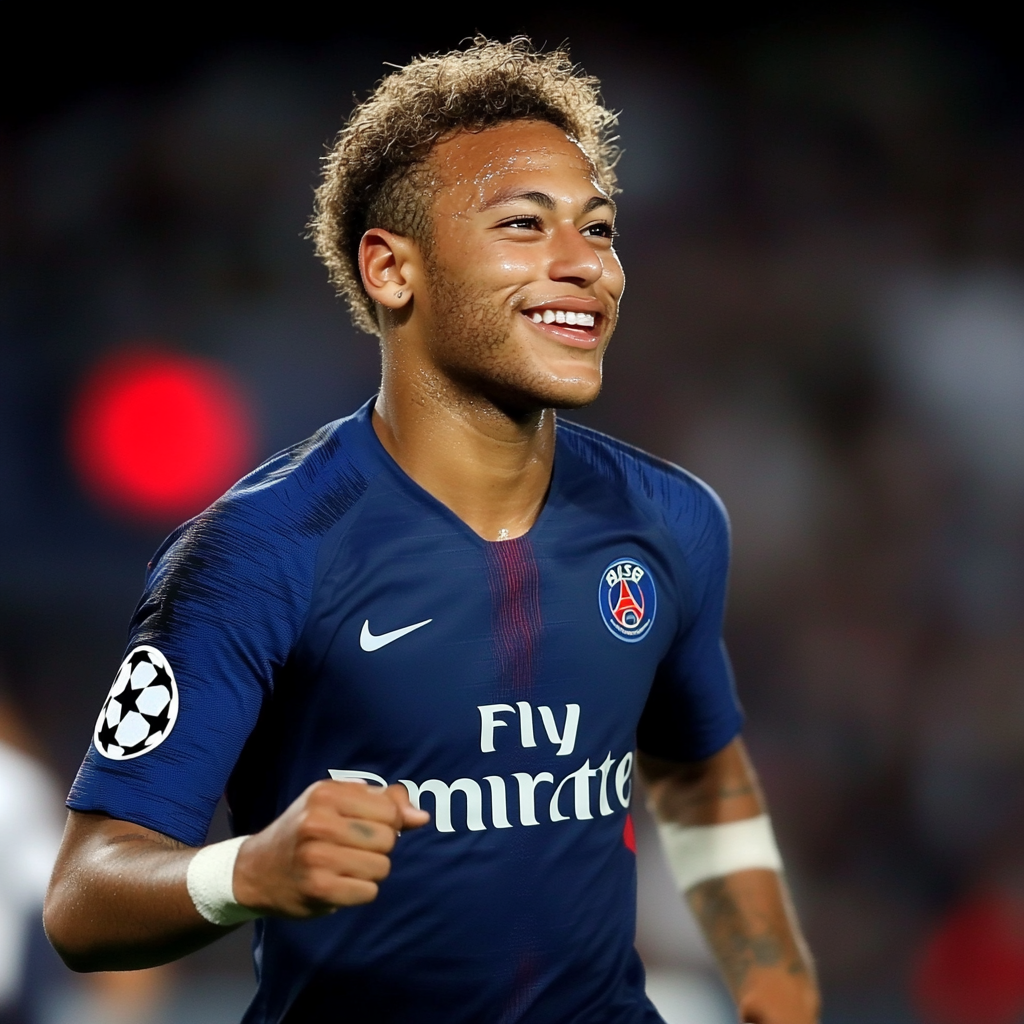
"Transfers redefining the game: The Top 10 investments of the season!"
The football season was once again defined by spectacular transfers, with clubs spending astronomical sums to secure the services of the world's best talent. This year's deals didn't just break records; they also redefined market expectations regarding player valuation. Here is a look at the ten most expensive transfers of the season, highlighting the moves that captivated fans and football pundits across the globe. These acquisitions illustrate not only the growing competitiveness among clubs but also the strategic evolution of teams looking to bolster their squads to reach new heights.
Analyzing the Season's Most Expensive Transfers
The transfer window has once again captured the attention of football fans worldwide, featuring deals that reshaped squads and shattered financial records. As clubs aim to strengthen their rosters to achieve new milestones, this season's priciest signings have sparked endless debate and analysis. By exploring these moves, we uncover not just individual talent, but the overarching strategies of clubs vying for on-pitch dominance.
The most expensive transfer of the season involved a star striker leaving his boyhood club to join a European giant. This move made headlines not only for its astronomical fee but also for raising questions about the impact of such spending on club financial stability. Indeed, clubs must now juggle investing in world-class talent with prudent financial management to avoid Financial Fair Play sanctions.
In second place, a creative midfielder made the leap to a new league, bringing with him a reputation as an exceptional playmaker. Pundits hailed this signing as a masterstroke, as it significantly bolsters his new club's engine room. Transitioning to a new league does present challenges, particularly in adapting to a different style of play and local culture, but expectations are high that this player will become a cornerstone of his team.
Another notable move involved a center-back joining a team in desperate need of defensive solidity. Known for his ability to read the game and neutralize opposing attacks, he was brought in to provide much-needed stability to an often-criticized backline. This transfer underscores the growing importance of defenders in modern football, where the ability to build attacks from the back has become crucial.
Continuing our breakdown, a young prodigy also made waves by signing with a prestigious club. This deal is a gamble on the future; the player is still developing, but his potential is undeniable. Clubs are increasingly investing in youth, hoping they will blossom into the stars of tomorrow. This strategic shift aims to ensure long-term continuity and avoid paying exorbitant fees for already established players.
Another eye-catching deal featured a goalkeeper—a position often overlooked in discussions about big-money transfers. However, this player proved his worth through outstanding performances, easily justifying his new club's hefty investment. The goalkeeper is a critical position, and a player of this caliber can be the difference-maker in a season's defining moments.
Ultimately, this season's most expensive transfers reflect not only the clubs' relentless pursuit of success but also the shifting dynamics of the football market. Every signing tells a story of strategy, ambition, and dreams, captivating fans and pundits eagerly waiting to see how these newcomers will integrate into their respective squads. As the season progresses, it will be fascinating to track the impact of these mega-deals on the global football landscape.
The Impact of Big-Money Transfers on Teams
The transfer window is always a thrilling time for football fans, and this year was no exception. Clubs opened their wallets to attract the most promising talent, with spending reaching dizzying new heights. But beyond the staggering figures, what is the real impact of these high-priced transfers on the teams involved? Exploring this question reveals a world where expectations, pressure, and team dynamics collide.
First and foremost, it's essential to understand that expensive transfers are about more than just acquiring on-pitch skills. They often reflect a broader strategy aimed at strengthening the club's brand. For instance, the arrival of a superstar can boost shirt sales, attract new sponsors, and increase the team's global visibility. However, these commercial benefits must be balanced with sporting performance; no matter how talented a player is, they must integrate seamlessly into the squad to justify their price tag.
Speaking of integration, the arrival of a star player can sometimes disrupt the balance of a well-oiled machine. Managers have to juggle egos and expectations while maintaining squad cohesion. A massive transfer can create tension, especially if the newcomer earns a significantly higher salary than their teammates. This can breed jealousy and division within the dressing room, which can ultimately undermine collective performance.
However, when these transfers are managed well, they can completely transform a team. Take, for example, a club that heavily invests in a prolific striker. If that player adapts quickly and scores crucial goals, they can inject a fresh dynamic into the squad, inspiring teammates and galvanizing the fanbase. Wins start piling up, the team climbs the table, and the initial investment is thoroughly justified.
But what happens when the results fall short? Mega-transfers come with immense pressure—not only on the player but also on the manager and the club's board. The expectations from fans and the media can become crushing, and patience is often in short supply. A player who fails to meet expectations can quickly be labeled a "flop," severely damaging their confidence and performance.
Furthermore, pricey transfers can also impact a club's long-term recruitment strategy. Sinking a massive portion of the budget into a single player can limit the club's ability to strengthen other key positions. This can lead to an over-reliance on that individual, leaving the squad highly vulnerable in the event of an injury or a dip in form.
In conclusion, big-money transfers are a bold gamble that can transform a team, but they also carry considerable risks. Clubs must navigate this complex landscape carefully, balancing commercial and sporting benefits while maintaining squad harmony. As the spotlight continues to shine on these newly acquired stars, it is fascinating to see how these moves influence not just the action on the pitch, but the overall dynamics of the club.
Comparing the Most Expensive Transfers to Previous Seasons
The football transfer window is always a thrilling time for fans worldwide, and this year was no exception. Clubs once again opened their wallets to attract the most promising talents and bolster their squads. However, what is particularly fascinating is comparing these big-money moves with those from previous seasons. This allows us to see how the market is evolving and understand the trends shaping the footballing world.
Looking at this season's priciest transfers, it's clear that clubs are not hesitating to spend astronomical sums to secure the services of top players. For instance, Jude Bellingham's move to Real Madrid for a fee of around €103 million made plenty of headlines. This staggering amount reflects an upward trend in clubs spending big to lure promising young talents. By comparison, just a few years ago, such a fee would have been reserved exclusively for established players at the peak of their careers.
This inflation in transfer fees can be attributed to several factors. First and foremost, skyrocketing television broadcast rights have provided clubs with substantial additional revenue to reinvest in player recruitment. Furthermore, the competition among clubs to attract top-tier talent is fiercer than ever, driving prices even higher. Looking back, we remember Neymar's blockbuster €222 million move to Paris Saint-Germain in 2017—a fee that truly redefined the transfer market. Since then, clubs have been willing to shell out increasingly massive sums to secure game-changers who can make the difference on the pitch.
However, it's worth noting that not all expensive transfers translate to immediate on-pitch success. For example, Eden Hazard's €100 million move to Real Madrid in 2019 failed to deliver the expected impact due to recurring injuries. This highlights how crucial it is for clubs to carefully assess the risks associated with such hefty investments. Conversely, deals like Virgil van Dijk's transfer to Liverpool in 2018 have proven that spending big can sometimes be a highly rewarding strategy, as the player played a pivotal role in the club's recent triumphs.
Comparing current transfers to past seasons also reveals a diversification in the profiles of recruited players. Clubs are no longer content with merely targeting star forwards; they are now heavily investing in defenders and midfielders capable of transforming their team's style of play. This shift demonstrates a more nuanced understanding of what it takes to build a winning side.
Ultimately, comparing this season’s most expensive transfers to those of yesteryear reveals fascinating trends within the footballing world. Clubs continue to spend vast amounts to attract top talent, but they are doing so with an increasingly strategic approach. As the transfer market continues to evolve, it will be intriguing to see how these investments pan out on the pitch and what future moves will thrill fans across the globe.
Profiles of the Players Involved in the Most Expensive Transfers
The transfer window has once again captured the attention of football enthusiasts worldwide, featuring deals that not only thrilled fans but also redefined on-pitch expectations. Among this season's priciest transfers, certain players stand out—not just for their price tags, but for their unique profiles and their potential to transform their new team's game. By exploring these profiles, we uncover exceptional talents poised to leave their mark on football history.
Take Jude Bellingham, for example, whose transfer to Real Madrid generated immense buzz. At just 20 years old, Bellingham is already widely regarded as one of the most promising midfielders of his generation. His ability to control the game, dictate the tempo, and create scoring opportunities makes him a highly valuable asset for any squad. His on-pitch maturity, combined with an impressive vision of the game, suggests a brilliant future wearing the famous Madrid colors.
Next is Declan Rice, whose move to Arsenal was one of the most talked-about transfers of the summer. Rice is renowned for his versatility and his ability to operate as both a defensive midfielder and a center-back. His physical robustness and tactical intelligence are traits that won over the Gunners, who hope he will bring much-needed stability to the middle of the park. His presence on the pitch often equates to security, and his natural leadership could very well be the key to Arsenal's success this season.
Another standout transfer is Moisés Caicedo's move to Chelsea. The young Ecuadorian quickly climbed the ranks to become one of the most sought-after midfielders in Europe. His knack for winning back possession and launching lightning-fast counter-attacks is a major asset for a Chelsea side looking to bolster its midfield. Caicedo is also known for his boundless stamina and determination—qualities that will help him quickly adapt to the relentless intensity of the Premier League.
Among the forwards, Rasmus Højlund made waves with his transfer to Manchester United. This young Danish prodigy is frequently compared to Erling Haaland due to his imposing stature and clinical goal-scoring instinct. Højlund possesses impressive pace and an innate ability to find pockets of space in the penalty area, making him a constant nightmare for opposing defenses. Expectations are sky-high for this young talent, who could very well become Old Trafford's newest darling.
Finally, it is impossible to overlook Harry Kane, whose high-profile move to Bayern Munich was one of the most heavily scrutinized deals of the window. Armed with his vast experience and an unmatched eye for goal, Kane brings a whole new dimension to the Bavarian attack. His ability to find the back of the net from any situation and seamlessly bring his teammates into the play makes him the complete package, ready to take on fresh challenges in the Bundesliga.
In conclusion, these transfers are far more than mere financial transactions; they are strategic masterstrokes that could very well reshape the landscape of European football. Each player brings a unique set of skills and attributes that promise to enrich the game and provide fans with unforgettable moments. As the season unfolds, it will be fascinating to watch how these talents integrate into their new squads and whether they can live up to the lofty expectations placed upon them.
The Financial Impact of Blockbuster Transfers on Clubs
Player transfers in the football world are not just major sporting events; they are massive financial operations that can have significant repercussions for the clubs involved. When a team decides to shell out astronomical sums to acquire a player, it commits to a strategy that can completely transform its economic future. But what exactly are the financial consequences of these big-money moves for the clubs?
First and foremost, it is essential to understand that buying a player at a premium price is often viewed as a long-term investment. Clubs hope the player will not only deliver exceptional performances on the pitch but also drive revenue growth through shirt sales, broadcasting rights, and increased stadium attendance. However, these expectations do not always materialize, and clubs must be prepared to face substantial financial risks.
Indeed, the initial transfer fee is just the tip of the iceberg. Clubs must also factor in the player's salary, which is often proportional to the transfer amount. This can lead to a significant spike in the club's wage bill, potentially threatening financial sustainability, especially if the on-pitch results fall short. Furthermore, clubs must comply with Financial Fair Play regulations imposed by football's governing bodies, which restricts their ability to spend recklessly.
Moreover, a high-profile transfer can impact the club's internal dynamics. Other squad members might feel increased pressure to prove their own worth, or conversely, become demotivated if the wage gap becomes too wide. This can severely affect team cohesion and, consequently, performances on the pitch. Management must handle these aspects with care to ensure the investment does not backfire.
However, the potential benefits of these transfers should not be overlooked. A star player can completely transform a club's image, attracting new sponsors and commercial partners. It can also strengthen the club's brand on a global scale, opening up new market opportunities. Clubs that successfully capitalize on these aspects can see their initial investment handsomely rewarded.
Additionally, it is worth noting that some clubs adopt a transfer strategy centered around resale value. They purchase promising players at premium prices with the intention of flipping them for an even higher fee after a few seasons. This approach can be highly lucrative if executed well, but it also carries risks, as a player's market value can fluctuate based on their form and fitness.
Ultimately, the most expensive transfers of the season are much more than simple sporting transactions. They represent complex strategic decisions that can have profound financial consequences for the clubs involved. While these moves can offer opportunities for growth and success, they require careful management and rigorous planning to avoid potential pitfalls. Clubs must carefully weigh the pros and cons before committing to such deals, as their financial future may depend on it. The football season has been marked by spectacular transfers, with clubs spending colossal sums to bolster their squads. Here is a look at the ten most expensive transfers of the season:
1. **Jude Bellingham** – Transferred from Borussia Dortmund to Real Madrid for around €103 million, Bellingham has become one of the most promising midfielders in world football.
2. **Declan Rice** – Arsenal shelled out approximately €116 million to secure the services of the former West Ham captain, significantly strengthening their midfield.
3. **Moises Caicedo** – Chelsea signed the young Ecuadorian talent from Brighton for roughly €116 million, setting a new club record in the process.
4. **Harry Kane** – The English striker left Tottenham to join Bayern Munich in a deal estimated at €100 million, in pursuit of major silverware.
5. **Josko Gvardiol** – Manchester City bolstered their defense by signing the Croatian defender from RB Leipzig for around €90 million.
6. **Randal Kolo Muani** – Paris Saint-Germain signed the French forward from Eintracht Frankfurt for roughly €95 million, adding serious depth to their attacking line.
7. **Kai Havertz** – Arsenal also invested in the German forward from Chelsea for around €75 million, hoping he will bring both creativity and goals.
8. **Mason Mount** – Manchester United recruited the English midfielder from Chelsea for approximately €64 million, looking to boost their attacking creativity.
9. **Dominik Szoboszlai** – Liverpool signed the Hungarian midfielder from RB Leipzig for about €70 million, injecting top-tier quality into the center of the pitch.
10. **Riyad Mahrez** – The Algerian winger left Manchester City to join Al-Ahli in Saudi Arabia in a move estimated at €35 million, marking a major turning point in his career.
In conclusion, these transfers illustrate the willingness of elite clubs to spend massively to attract world-class talent, in the hope of strengthening their squads and winning titles. These moves also highlight the ongoing evolution of the transfer market, where the amounts invested continue to grow exponentially.


