A Training Program to Boost Your Speed and Agility
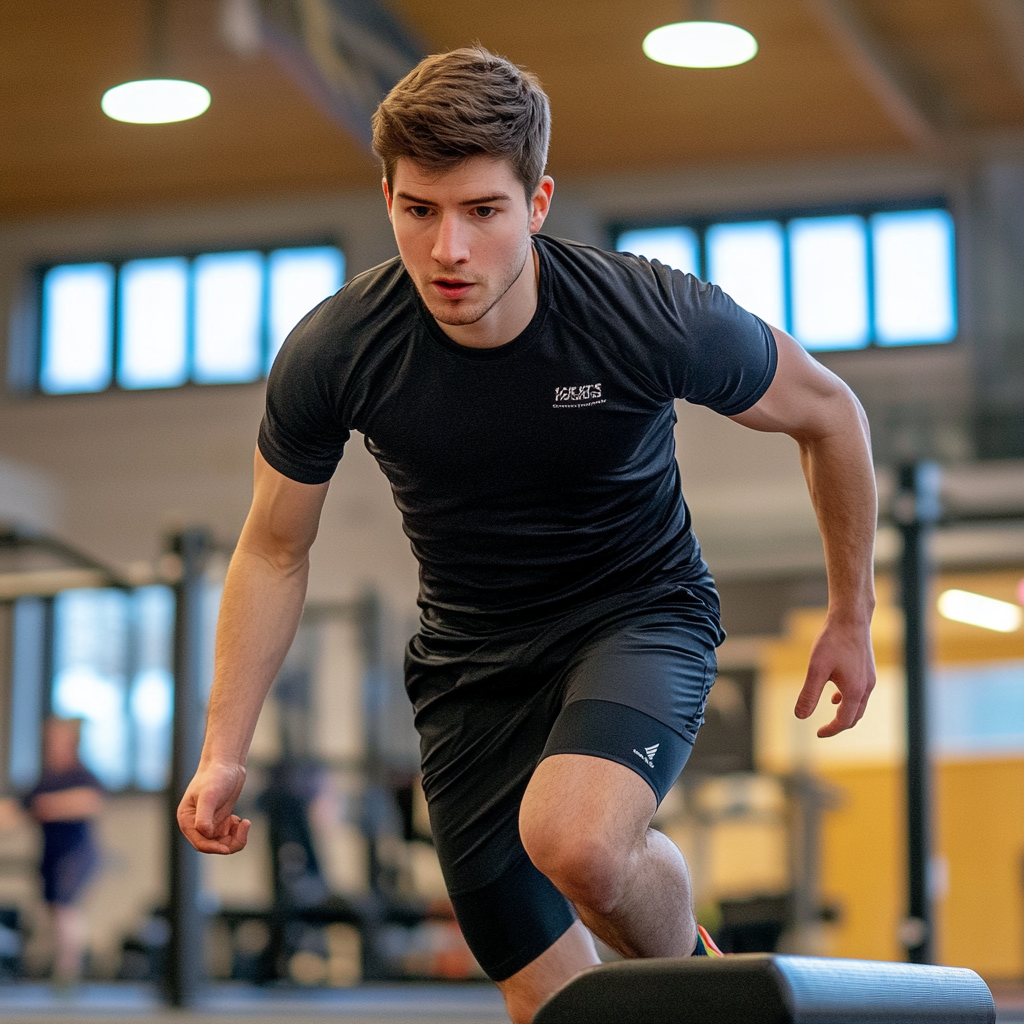
"Accelerate your potential: Speed and agility at their peak!"
A training program focused on improving speed and agility is essential for athletes looking to optimize their performance on the field. This type of program combines specific exercises that develop quickness, coordination, and the ability to change direction effectively. By integrating sprint sessions, plyometric drills, and strength training exercises, athletes can not only increase their top speed but also improve their reaction time and balance. Regular, well-structured training strengthens key muscles, improves running technique, and increases explosive power—crucial elements for excelling in many sports.
Essential Techniques for Improving Running Speed
Improving running speed is a common goal for many athletes, whether amateur or professional. Speed isn't just about brute strength; it also relies on technique, agility, and coordination. For those looking to refine their performance, it is essential to focus on specific techniques that can transform their approach to running. One of the first steps to improving speed is working on posture. Proper posture not only reduces the risk of injury but also optimizes the efficiency of each stride. By keeping the back straight, shoulders relaxed, and arms moving in sync with the legs, you can maximize propulsion and minimize drag.
At the same time, paying attention to cadence is crucial. Cadence, or the number of steps taken per minute, plays a determining role in running speed. A higher cadence generally means increased speed. To increase your cadence, it is helpful to train with a metronome or an app that helps maintain a steady rhythm. This helps develop a faster and more efficient stride. However, it is not just about increasing cadence; you also need to ensure that each step is light and quick, avoiding heavy impact with the ground.
Furthermore, resistance training is an often-underestimated but highly beneficial technique for improving speed. Using running parachutes, sleds, or resistance bands can add extra drag, forcing the body to work harder to maintain speed. This increased resistance strengthens the key muscles used during running—namely the quadriceps, hamstrings, and calves—which translates to a noticeable improvement in speed once the resistance is removed.
Additionally, incorporating plyometric exercises into your training program can have a significant impact on speed. Plyometric drills, such as box jumps, jump lunges, and burpees, increase explosive muscle power. This enhanced power allows for faster starts and more efficient acceleration, which are crucial elements for anyone looking to improve their running speed.
It is also important not to overlook the value of agility. Good agility allows you to change direction quickly and efficiently, an essential skill in many sports. Exercises like zigzag sprints, agility ladders, and cone drills can help develop this capability. By improving agility, you also enhance your ability to maintain speed during directional changes, which is often the key to outmaneuvering the competition.
Finally, recovery plays just as important a role as the training itself. A well-rested body performs better and is less prone to injury. Incorporating rest days, regular stretching, and relaxation techniques like yoga or meditation can help maintain a healthy balance between training and recovery. By combining these essential techniques with a disciplined, consistent approach, it is possible to significantly improve running speed. The key is to stay curious and open to experimentation, as every runner is unique, and what works for one person may require adjustments for another.
Agility Exercises to Optimize Athletic Performance
Agility is a vital skill for many athletes, from amateurs to pros. Not only does it improve speed, but it also enhances coordination and reaction time. For those looking to optimize their athletic performance, integrating agility exercises into their training program can make all the difference. Let's explore a few exercises that can transform your routine and help you reach your goals.
One of the most popular agility workouts is the ladder drill. This simple yet highly effective tool targets foot speed and coordination. By laying an agility ladder on the ground, you can perform a variety of movements, such as side shuffles, single-leg hops, or crossover steps. These rapid, repetitive motions help build muscle memory, which is crucial for improving speed on the field. Furthermore, the agility ladder is highly portable, making it an excellent addition to any training program, whether at home or outdoors.
Alongside the ladder, agility cones are another invaluable tool for those looking to boost their agility. Arranged in various configurations, they allow athletes to practice quick, precise changes of direction. For instance, the "T-drill" is a classic exercise where cones are set up in a T-shape. The athlete starts at the base of the T, sprints to the center cone, side-shuffles to the left and right cones, and then backpedals to the starting position. This drill engages not only the leg muscles but also the core, which plays a pivotal role in maintaining balance and stability.
Speaking of stability, it is important not to overlook the value of core strengthening in an agility program. Exercises like planks, Russian twists, or leg raises can be incorporated to fortify the midsection. A strong core allows for better body control and maximizes the effectiveness of agility drills. Moreover, a well-trained core helps reduce the risk of injury, ensuring steady, uninterrupted progress in your training.
For those who want to add a fun twist to their workouts, ball games can be an excellent option. For example, a "reaction ball"—a ball with unpredictable bounces—is a fantastic tool for improving reaction time and hand-eye coordination. By throwing the ball against a wall and attempting to catch it, you train not only your agility but also your focus and your ability to anticipate movement.
Finally, it's crucial to remember that agility isn't built overnight. Consistency and steady progression are the keys to success. By gradually incorporating these exercises into your routine, you will notice significant improvements not just in your speed, but also in your confidence on the field. Ultimately, a well-designed, agility-focused training program can transform your athletic performance and help you reach new heights. So, why not start today and see how far your agility can take you?
The Importance of Flexibility in Improving Speed
When it comes to enhancing speed and agility, flexibility is often an overlooked aspect, yet it plays a crucial role in optimizing athletic performance. In reality, flexibility is about much more than just touching your toes or mastering impressive yoga poses. It is a foundational element that directly dictates how our bodies move and react to external stimuli. By incorporating flexibility exercises into your training program, you can not only improve your range of motion but also reduce the risk of injury—which is absolutely essential for maintaining consistent progress.
Flexibility contributes to better posture and optimal body alignment, both of which are vital for executing rapid, precise movements. When muscles and joints are supple, they allow for greater freedom of movement, ultimately translating to increased speed. For instance, flexible hamstrings enable a longer, more efficient stride, which is critical for sprinters. Furthermore, good hip and ankle mobility can drastically improve your ability to change direction on a dime—a major asset in agility-driven sports.
Moreover, flexibility acts as a powerful preventative measure against injuries. Tight, stiff muscles are far more prone to tears or strains during intense exertion. By consistently working on your flexibility, you strengthen your muscles and tendons, making them more resilient to physical stress. This means you can train harder and more frequently without the constant fear of getting hurt, which is a massive advantage for anyone looking to boost their speed and agility.
To effectively weave flexibility into your training program, it's important to mix up your techniques and exercises. Static stretches, for example, are excellent for improving overall suppleness and can be added to the end of your workout to aid in recovery. Dynamic stretches, on the other hand, are perfect for prepping the body for action by raising your muscle temperature and boosting blood flow. These should be used as a warm-up to prime your muscles for fast, explosive movements.
It’s also highly beneficial to explore disciplines like yoga or Pilates, which focus heavily on flexibility, strength, and balance. These practices can complement your training by helping you develop a heightened sense of body awareness, an essential trait for optimizing your athletic performance. By combining these different approaches, you can build a well-rounded training program that sharpens your speed and agility while also promoting your overall well-being.
In short, flexibility is a fundamental pillar for anyone looking to increase their speed and agility. By thoughtfully integrating it into your workout routine, you'll not only maximize your performance but also bulletproof your body against injuries. So, the next time you plan your training session, don’t forget to give flexibility the attention it deserves. You might just be surprised at how much it can transform the way you move and excel in your sport.
Interval Training Programs to Boost Speed
When it comes to enhancing speed and agility, interval training programs are invaluable allies. These sessions, which alternate between periods of intense effort and active recovery phases, don't just boost your speed—they also improve your endurance and coordination. By making these workouts a staple in your routine, you can significantly transform your performance. But how exactly do they work, and what makes them so effective?
For starters, interval workouts push the body to maximize its energy utilization. By alternating between short, high-intensity sprints and periods of rest or moderate activity, your body learns to process oxygen much more efficiently. This upgrade in aerobic capacity translates into better stamina, which is crucial for maintaining top speeds over longer distances. What's more, these workouts promote the growth of lean muscle mass, resulting in stronger propulsion and, ultimately, greater speed.
Additionally, interval training stimulates the central nervous system, sharpening both coordination and reaction times. These elements are the bedrock of agility, allowing you to change direction quickly and efficiently. For example, a standard drill might involve 30-second sprints followed by 90 seconds of walking or light jogging. Repeating this cycle several times doesn't just build muscle; it also hones the brain's ability to fire rapid signals to those muscles, heavily optimizing your reflexes.
It’s important to note that variety is key in these programs. By mixing in different types of exercises—such as explosive jumps, rapid changes of direction, and lateral movements—you can target various muscle groups and skill sets. This not only keeps boredom at bay but also prevents your body from adapting to just one specific movement pattern, which could otherwise cap your speed and agility gains.
However, as with any fitness regimen, listening to your body and progressing at your own pace is vital. Interval training can be grueling, especially for beginners. It is highly recommended to start slow, gradually turning up the intensity and duration of the intervals as your conditioning improves. Furthermore, scheduling rest days and active recovery is essential to stave off injuries and give your body the time it needs to rebuild itself stronger.
Ultimately, interval training programs offer a dynamic and highly effective method for elevating your speed and agility. By combining bursts of intense effort with structured recovery phases, these sessions optimize energy use, refine coordination, and build muscular strength. With a varied and progressive approach, you can completely transform your performance and reach new heights. So, why not try weaving these workouts into your routine to experience the benefits firsthand?
The Role of Nutrition in Improving Speed and Agility
When it comes to improving speed and agility, physical training is usually the first thing that comes to mind. However, an equally crucial—yet often overlooked—aspect is nutrition. What we consume plays a fundamental role in our ability to perform and progress. For anyone looking to optimize their speed and agility, understanding the impact of nutrition can be a major asset.
First and foremost, it is essential to recognize that carbohydrates are the primary energy source for athletes. They provide the fuel needed to sustain intense, prolonged workouts. Complex carbs, like those found in whole grains, vegetables, and legumes, are especially beneficial because they release energy gradually. This helps maintain steady energy levels—an absolute must for peak performance. By incorporating these foods into your daily diet, you ensure you have the stamina required for every training session.
At the same time, protein plays a crucial role in muscle repair and growth. Following speed and agility workouts, muscles sustain micro-tears that require protein to rebuild and grow stronger. Lean protein sources, such as chicken, fish, eggs, and dairy, are ideal for supporting this process. Furthermore, protein helps shorten recovery time, allowing you to train more frequently and at higher intensities.
Dietary fats, though often misunderstood, are equally vital. They provide a concentrated source of energy and are essential for proper cellular function. Healthy fats—like those found in avocados, nuts, and olive oil—contribute to overall health and athletic performance. By including these fats in your diet, you support both your cardiovascular health and your ability to sustain high energy levels.
Additionally, hydration is an often-underestimated yet vital factor in improving speed and agility. Proper hydration ensures that muscles and joints function smoothly while helping to regulate body temperature. Drinking enough water before, during, and after exercise is critical to avoiding dehydration, which can hinder performance and increase the risk of injury.
Micronutrients, though needed in smaller quantities, should not be ignored. Vitamins and minerals—such as iron, calcium, and magnesium—play specific roles in muscle contraction and energy production. A varied, balanced diet rich in fruits and vegetables guarantees an adequate intake of these essential nutrients.
Finally, it is important to tailor your nutritional approach to your individual needs and goals. Consulting a nutritionist or dietitian can be a smart step toward developing a customized meal plan. By combining proper nutrition with a well-structured training regimen, you will maximize your chances of boosting your speed and agility.
In conclusion, nutrition is a fundamental pillar for anyone looking to improve their speed and agility. By adopting a holistic approach that includes a balanced diet and proper hydration, you give yourself the best chance of success. So, the next time you plan your workout, don't forget to pay attention to what you put on your plate. An effective training program for improving speed and agility must include a combination of specific drills, strength training, and adequate recovery. Sprint exercises, cone drills, and plyometric jumps are essential for developing quickness and reaction times. Strength training—particularly targeting the leg and core muscles—builds better power and stability. Incorporating mobility and stretching sessions helps prevent injuries and improves your range of motion. Lastly, proper recovery, including rest and nutrition, is crucial to allow the body to adapt and progress. By combining these elements, athletes can significantly improve their speed and agility, which translates to better performance across a wide range of sports.


